

Destination-less Mobility — Driving Without Arrival
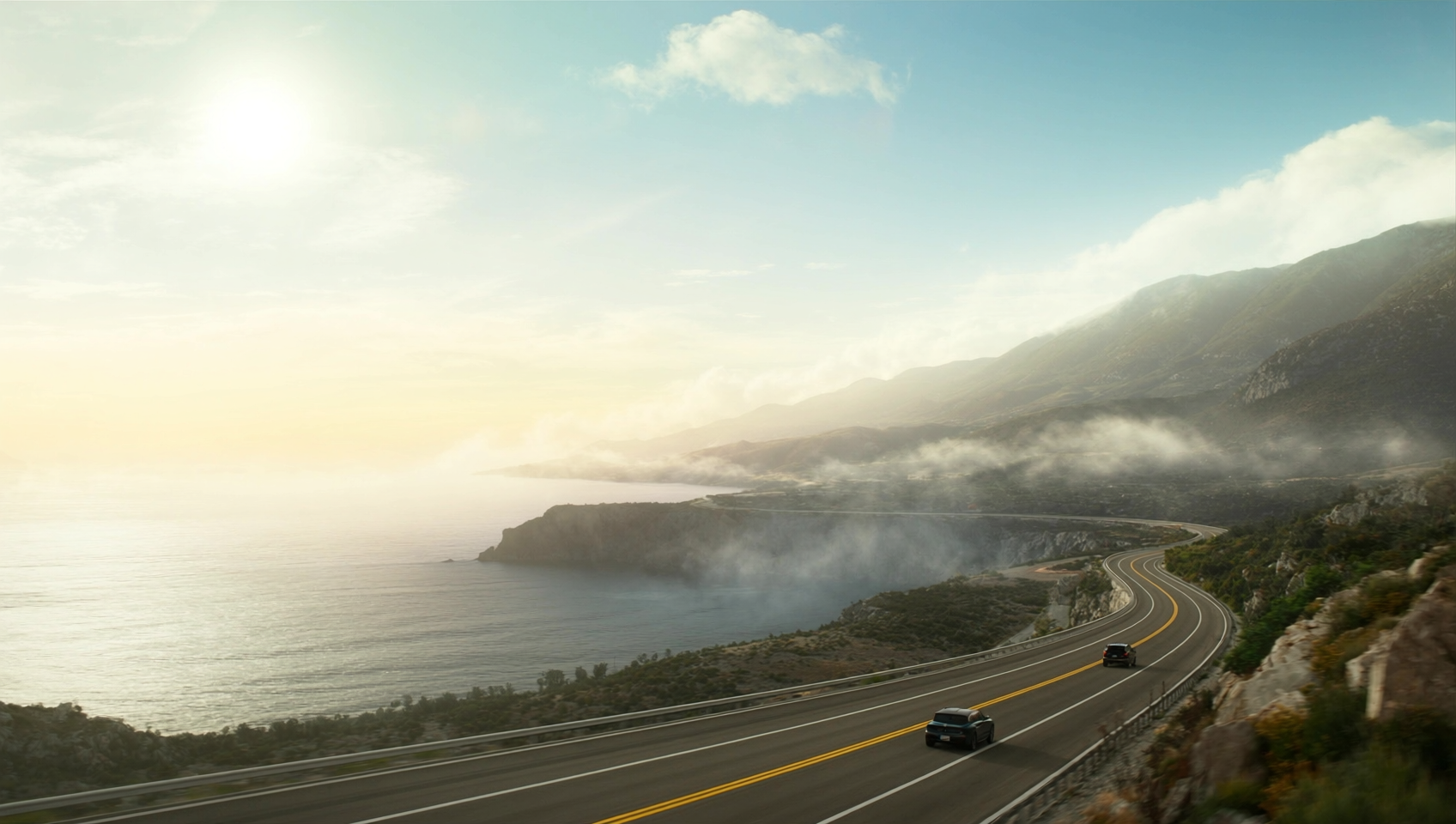
For more than a century, mobility has been defined by a simple structure:
departure → destination → arrival
We decide where to go, and the vehicle performs the physical task of getting us there.
Navigation systems optimized routes.
Digital interfaces simplified input.
Autonomous driving reduced the effort required to control movement.
Yet one assumption has remained constant:
movement must always have a destination.
But human movement does not always begin with a place.
Sometimes, it begins with a condition.
“I want to clear my mind.”
“I want to see an open horizon.”
“I want somewhere quiet.”
“I just want to keep moving.”
These are not spatial instructions.
They are experiential intentions.
When Movement is Not About Place
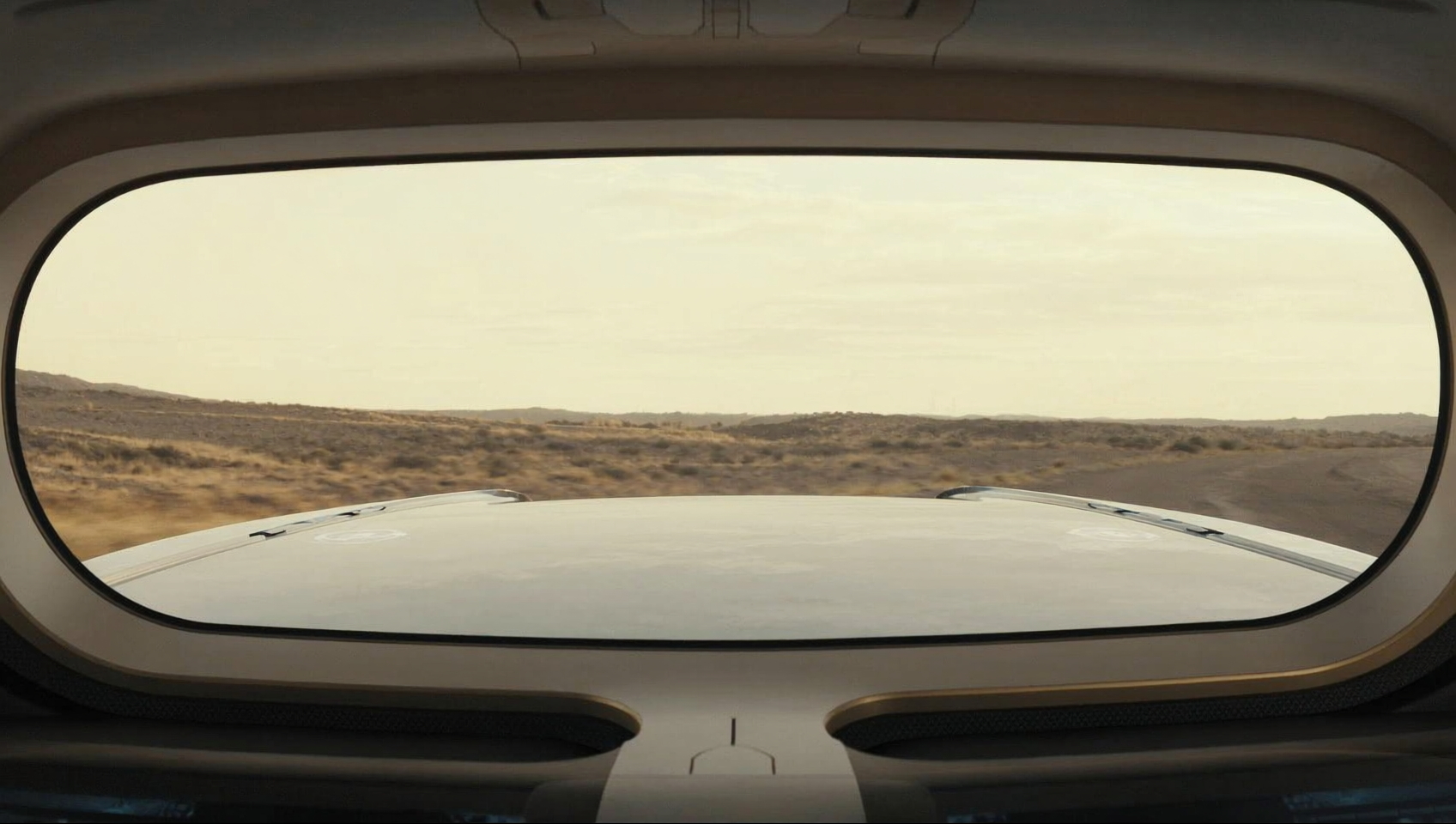
People do not always drive to arrive somewhere.
Sometimes they drive to think.
Sometimes they drive to regulate emotion.
Sometimes they drive simply to maintain a continuous sense of flow.
A late-night drive through empty roads.
A coastal route where the horizon remains uninterrupted.
A mountain road with gentle curvature and minimal traffic.
In these moments, the destination becomes secondary.
The journey itself becomes the experience.
Traditional navigation systems are not designed for this type of request.
They expect coordinates.
They expect an endpoint.
They expect closure.
But future mobility systems may begin to understand conditions instead of locations.
From Destination-based UX to State-based UX
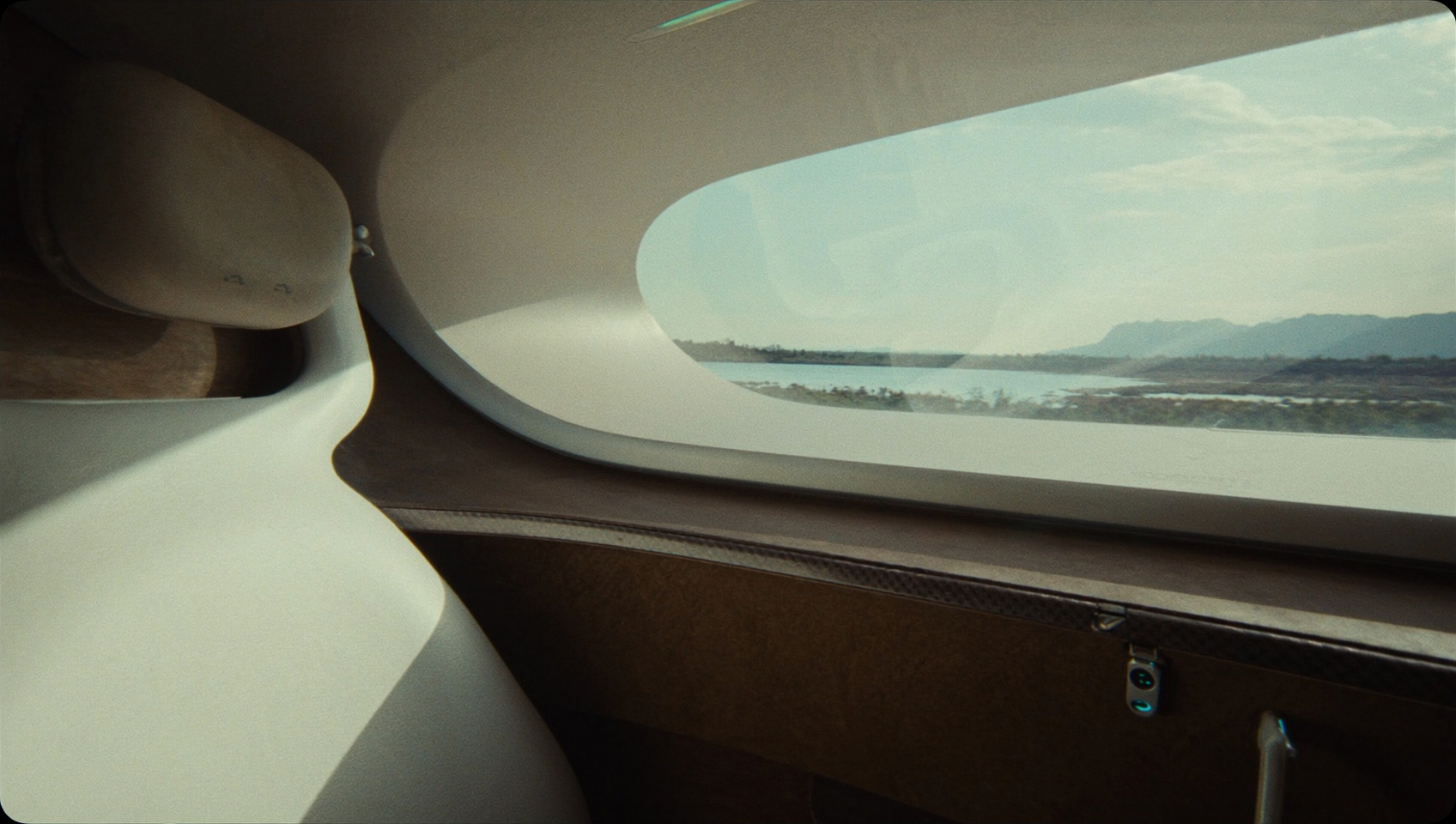
Future mobility may gradually transition from destination-based interaction toward state-based interaction.
Instead of specifying where to go, the user expresses what kind of experience they want to enter.
less crowded
visually open
continuously flowing
mentally calming
environmentally immersive
The vehicle interprets these conditions and translates them into movement patterns.
Routes become dynamic compositions rather than fixed paths.
The system does not simply calculate the fastest way to arrive.
It continuously shapes the environment through which the user moves.
Mobility becomes an adaptive medium.
Continuous Drive as an Interface
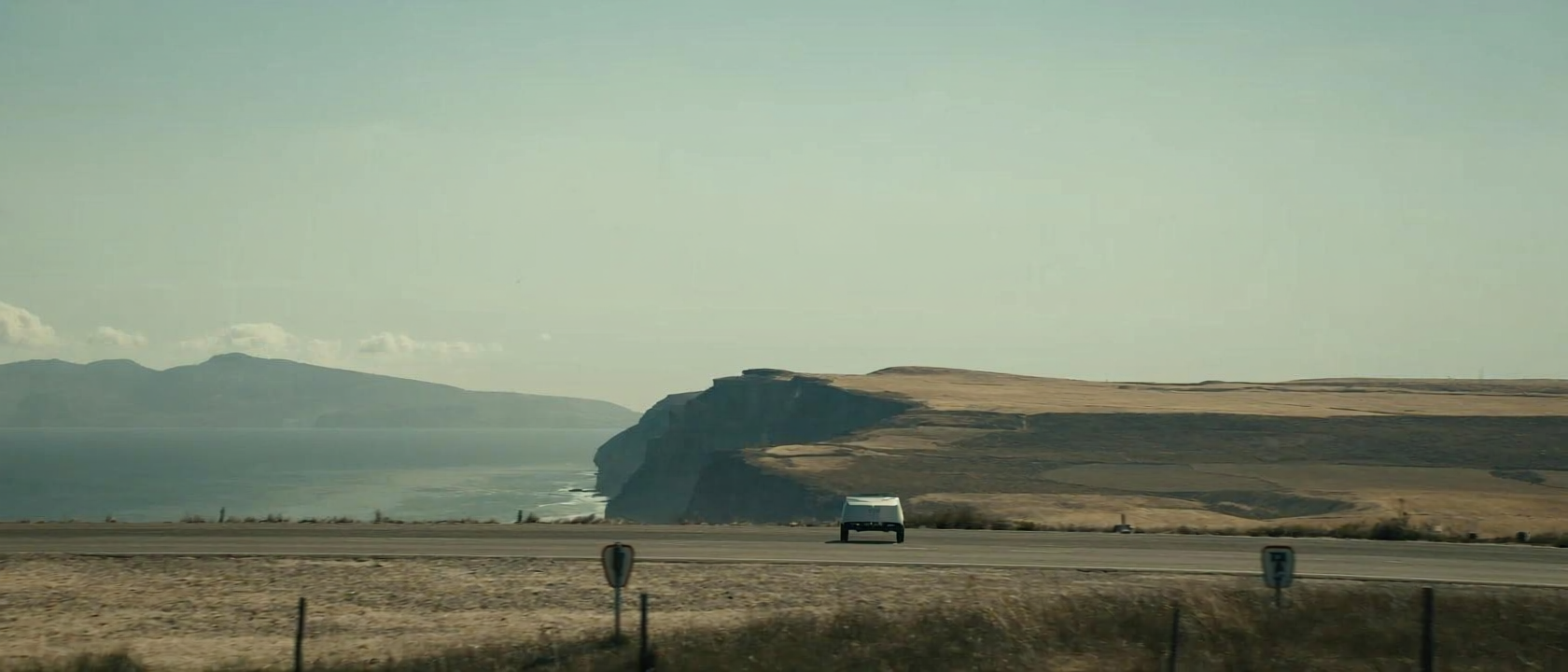
In destination-less mobility, the drive itself becomes the interface.
The vehicle does not stop at a single endpoint.
It maintains a continuous relationship with the user’s evolving state.
A simple expression such as:
“Let’s just drive somewhere quiet, with a cool view, not too many people.”
does not produce a single answer.
It produces a behavioral direction.
As the journey unfolds, the system continues to interpret feedback.
The density of traffic changes.
The quality of light shifts.
The user’s level of comfort evolves.
The experience becomes a dialogue between human intention and machine interpretation.
Movement becomes responsive.
Not reactive, but adaptive.
Dialogue Instead of Commands
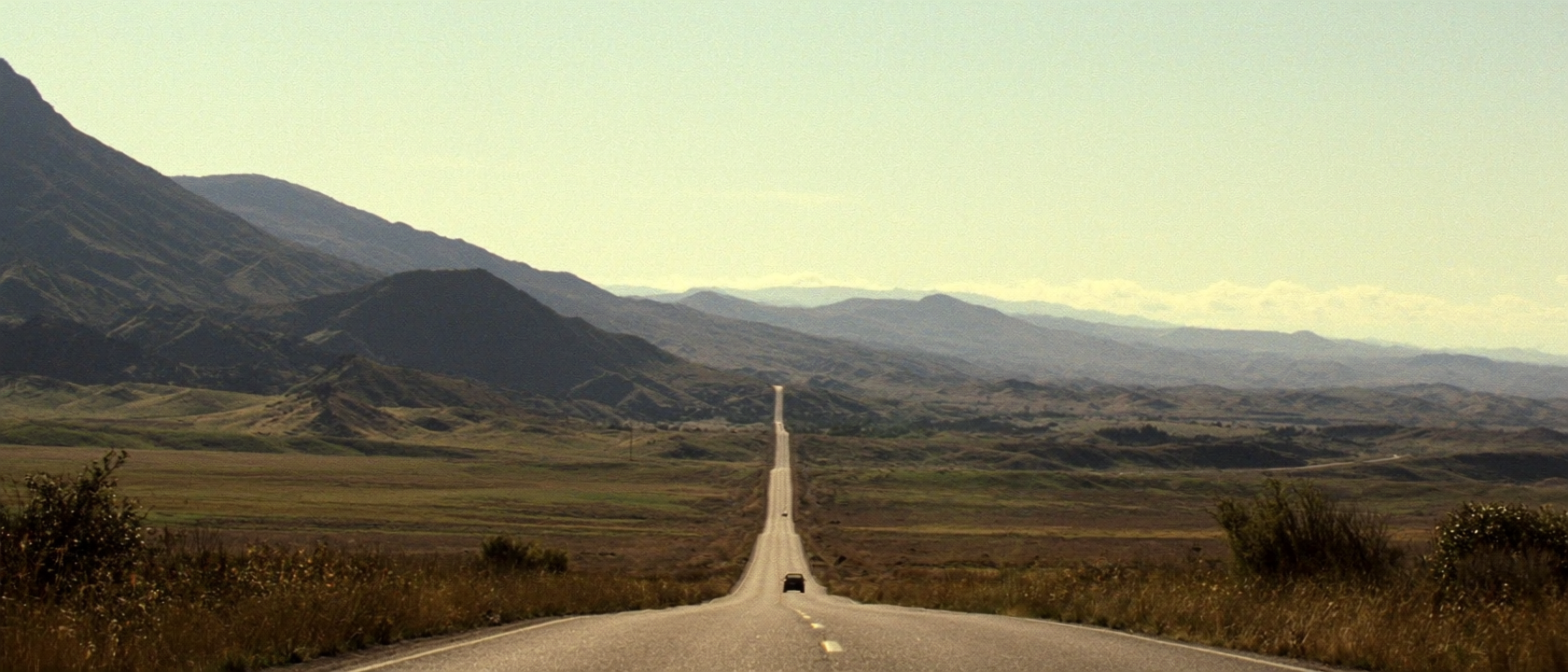
Destination-less mobility requires ongoing communication between system and user.
Human intention is rarely static.
A person who initially wants a quiet drive may later prefer a slightly brighter environment.
A calm route may gradually transition into a wider landscape.
A continuous road may slowly become a return path once the desired mental state has been reached.
Instead of a single command followed by execution, the system maintains a continuous dialogue.
The vehicle listens, interprets, and adjusts.
The experience becomes co-authored.
The Vehicle as an Environmental Generator
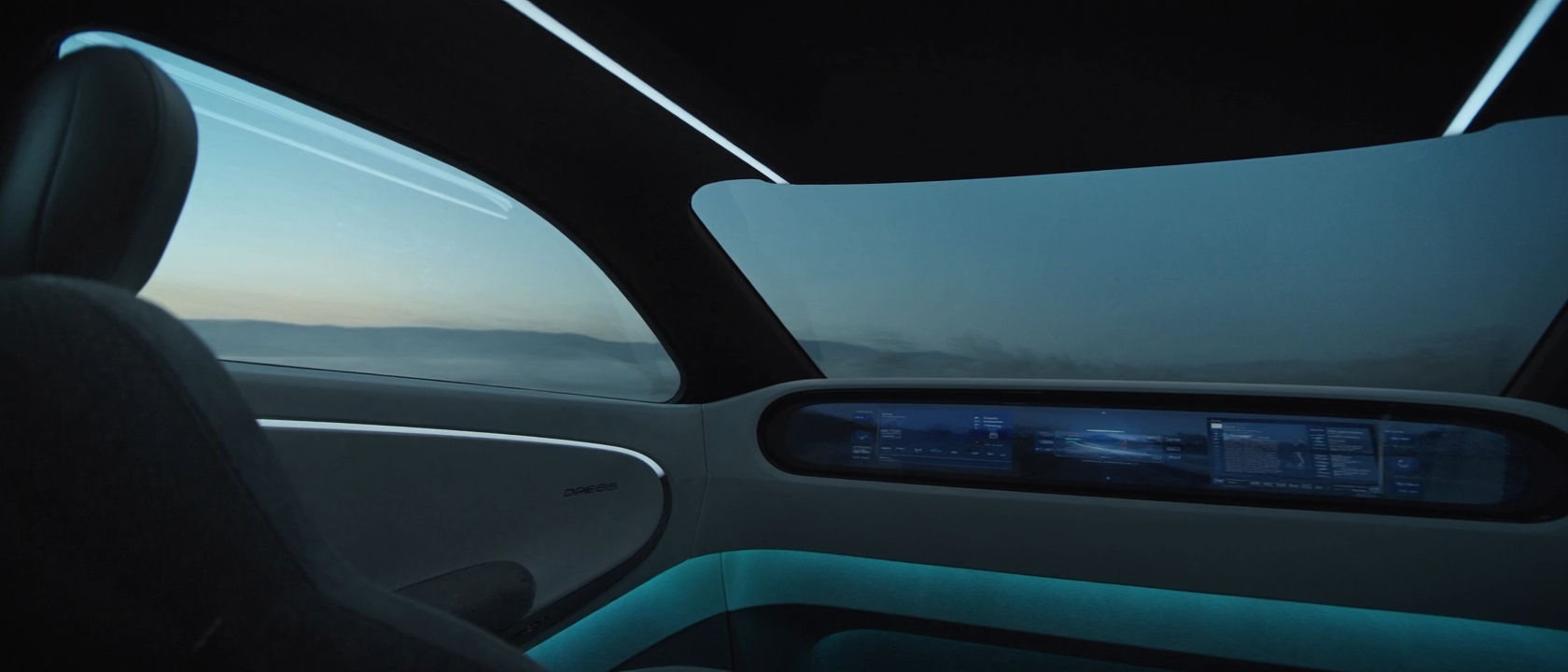
In this model, the vehicle is no longer only a transportation device.
It becomes an environmental generator.
It selects routes not only for efficiency, but for experiential qualities:
visual openness
ambient sound conditions
traffic rhythm
road curvature
light conditions
environmental continuity
These factors are rarely visible in today’s navigation interfaces, yet they strongly influence how a journey feels.
Future mobility systems may begin to index environments in experiential terms rather than purely geographic ones.
The map becomes semantic.
Not only describing where something is, but how it feels to move through it.
Interior as a Cognitive Environment
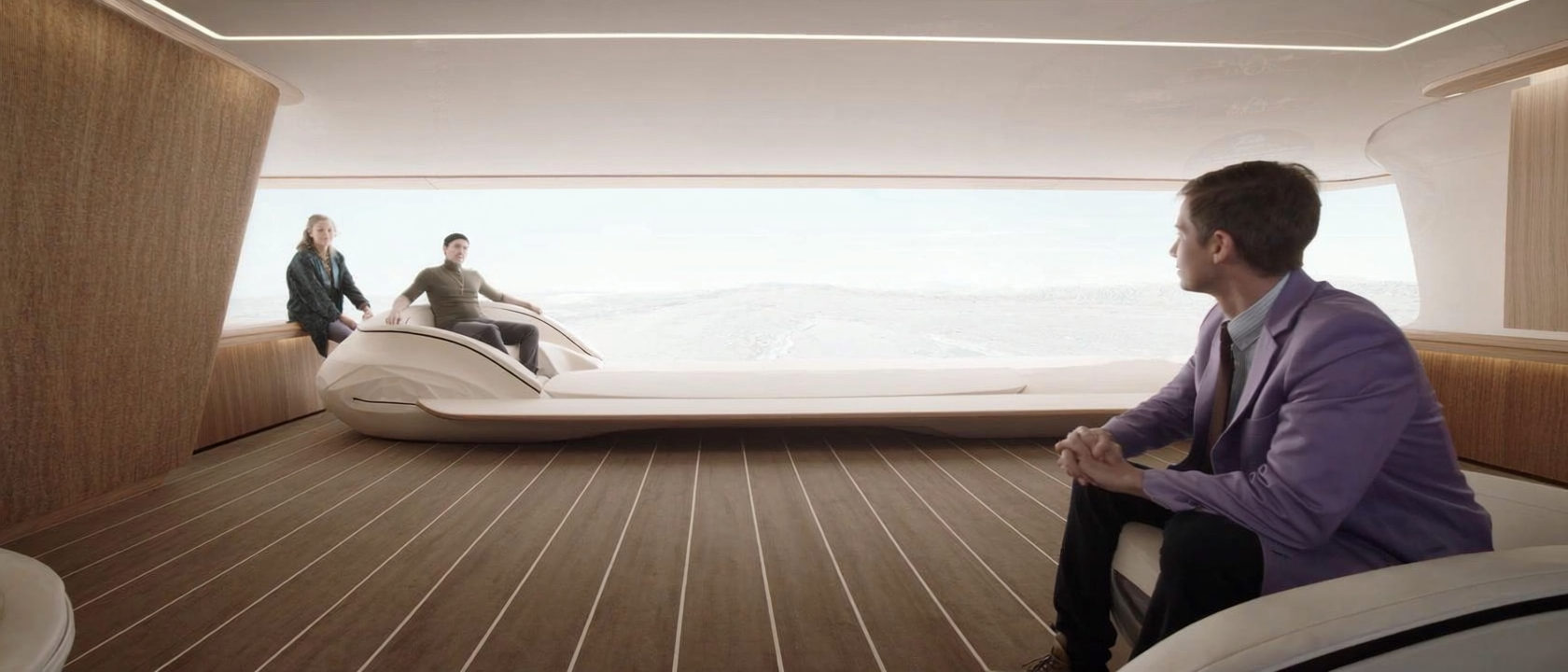
If movement is no longer defined solely by arrival, the interior of the vehicle must also evolve.
Traditional vehicle interiors are designed around control:
clear forward visibility
manual interaction
instrument readability
driver-centered ergonomics
But in destination-less mobility, the primary function of the interior shifts:
from enabling control
to supporting cognition.
The vehicle interior becomes a cognitive environment.
A space that allows thoughts to reorganize.
Attention to recalibrate.
Emotional states to stabilize.
Rather than focusing only on external navigation, the system also supports internal transitions.
Adaptive Cognitive Cabin
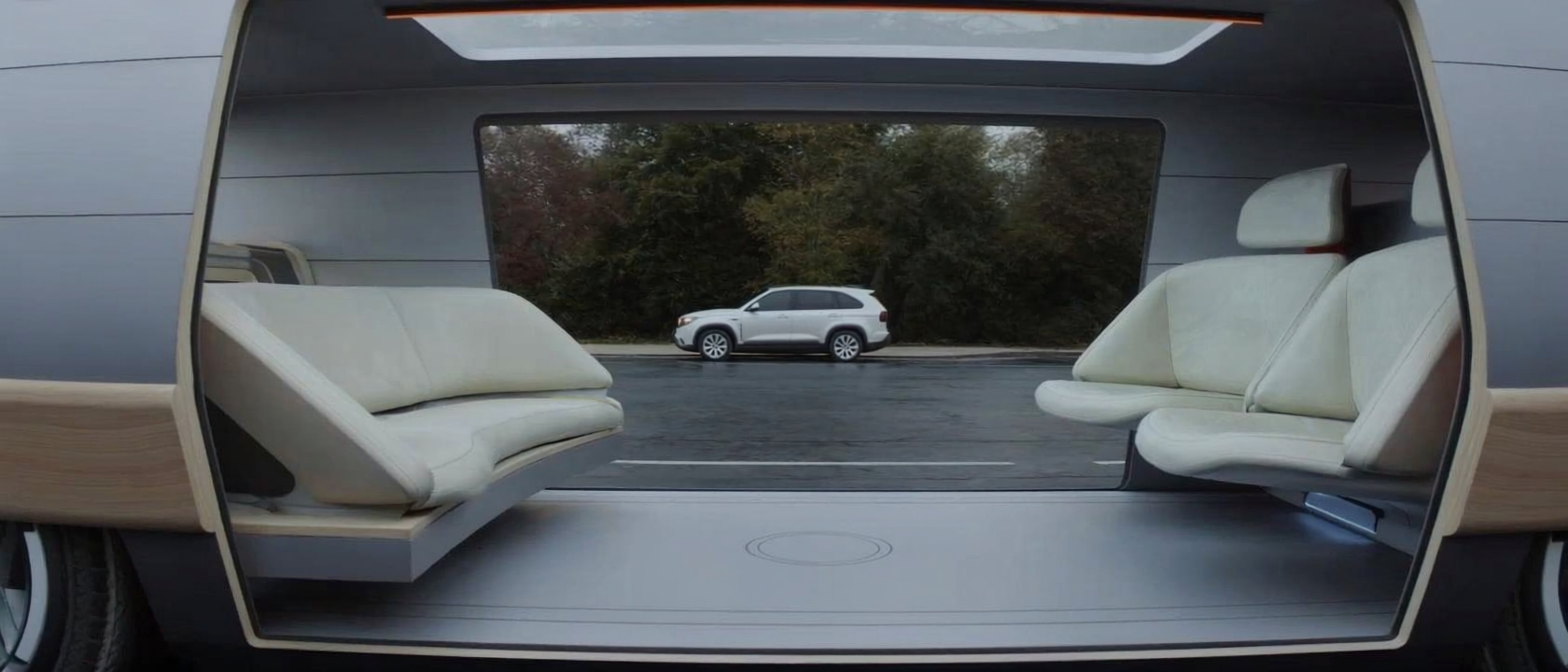
In this framework, the vehicle interior is not organized around a fixed driving position.
The spatial structure becomes more flexible and less direction-dependent.
The cabin is designed around experiential continuity rather than mechanical operation.
Key characteristics may include:
panoramic environmental visibility
minimal interface fragmentation
low cognitive friction
adaptive sensory modulation
continuous spatial openness
Seats may no longer rigidly face a single forward direction.
Orientation can subtly adjust based on environmental context.
The interior behaves less like a cockpit and more like a responsive environment.
Interface Dissolution
Traditional interfaces rely on visible elements:
screens
buttons
control surfaces
Future interfaces may gradually dissolve into spatial conditions.
Information may be communicated through:
light gradients
subtle material response
acoustic modulation
micro-haptic feedback
Instead of interacting with discrete devices, the user interacts with atmosphere.
The interface becomes ambient.
Present, but not demanding attention.
Neural Steering Surface

The steering wheel may not completely disappear, but its role changes.
Instead of functioning purely as a mechanical rotation device, it becomes an intention surface.
A stabilizing tactile point that allows users to express directional preference without requiring constant manual control.
Subtle pressure patterns, micro-movements, or contact gestures may serve as signals of intention.
Control becomes less about force and more about expression.
Sensory Gradient Design
In destination-less mobility, sensory modulation becomes an essential design dimension.
The cabin continuously adjusts sensory intensity:
light softness
acoustic density
visual calmness
spatial openness
The environment responds to the mental condition of the occupant.
Rather than maintaining a single static configuration, the interior behaves as a continuously modulated gradient.
The vehicle becomes capable of maintaining experiential continuity even as external conditions change.
Continuous Dialogue Audio Layer
Communication between user and system remains present but minimal.
Interaction becomes conversational rather than command-based.
The system intervenes only when necessary.
Short prompts replace complex interfaces.
A simple moment of confirmation may be sufficient:
maintain this environment
expand visual openness
gradually return
The system supports the user without overwhelming attention.
When the Destination Becomes Invisible
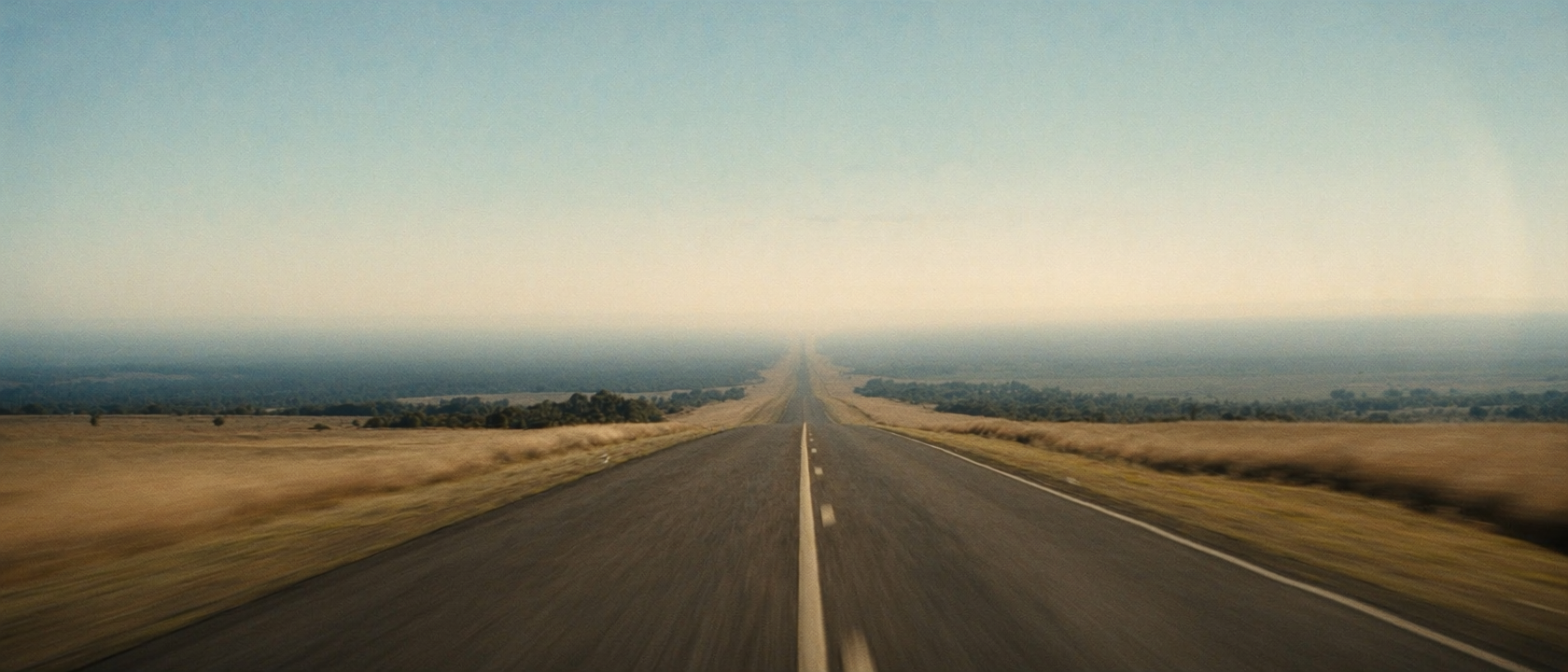
Destination-less mobility does not imply movement without purpose.
It suggests that purpose is not always tied to a fixed coordinate.
The destination becomes dynamic, fluid, and sometimes intentionally undefined.
Movement itself becomes the medium through which a desired mental state is formed.
Rather than navigating toward a place, the user navigates toward a condition:
calm
clarity
focus
emotional reset
mental openness
Mobility becomes a cognitive transition space.
Beyond Efficiency
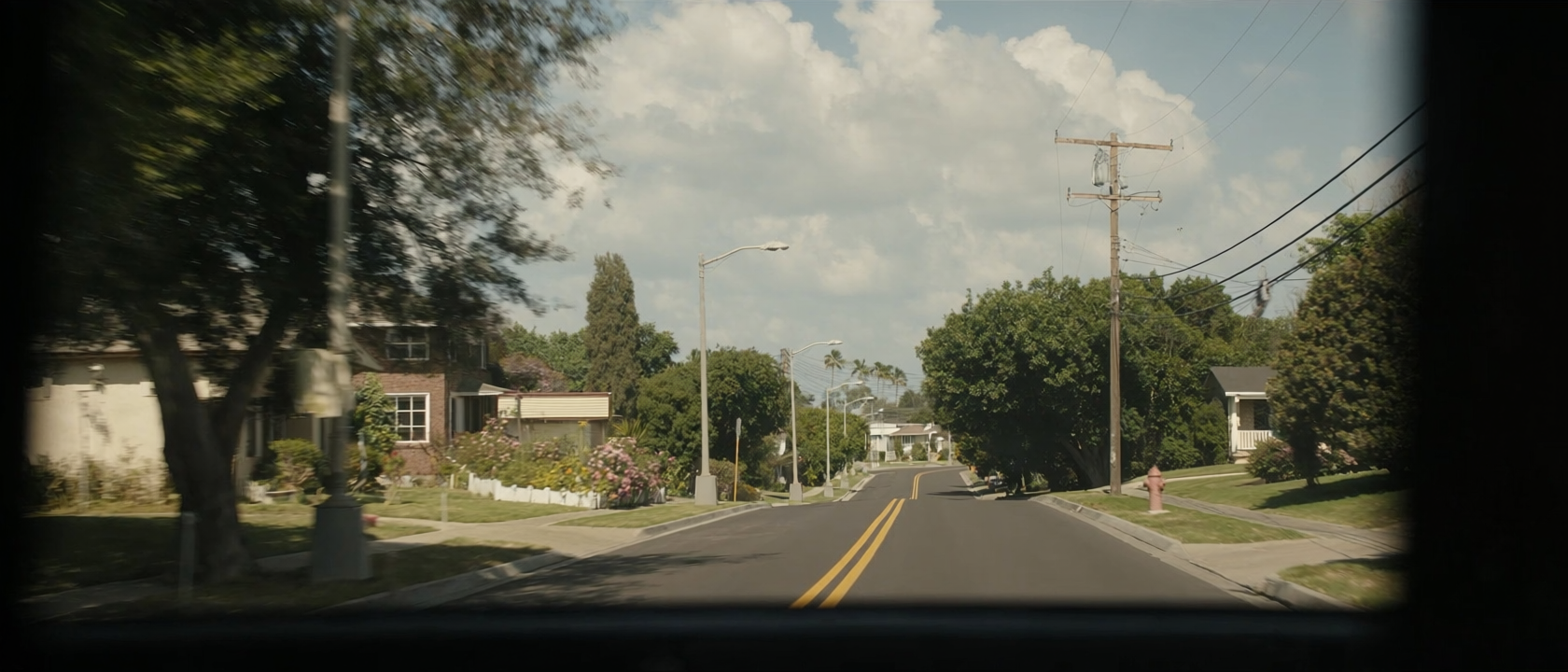
For decades, innovation in mobility has focused on efficiency.
faster routes
shorter travel times
optimized resource consumption
reduced friction
But efficiency alone does not fully explain why people move.
Some journeys are valuable precisely because they do not attempt to end quickly.
A continuous drive without urgency can provide something static environments cannot:
gradual transition.
Thoughts reorganize.
Attention recalibrates.
Emotions stabilize.
Movement becomes part of cognition.
A Different Definition of Navigation
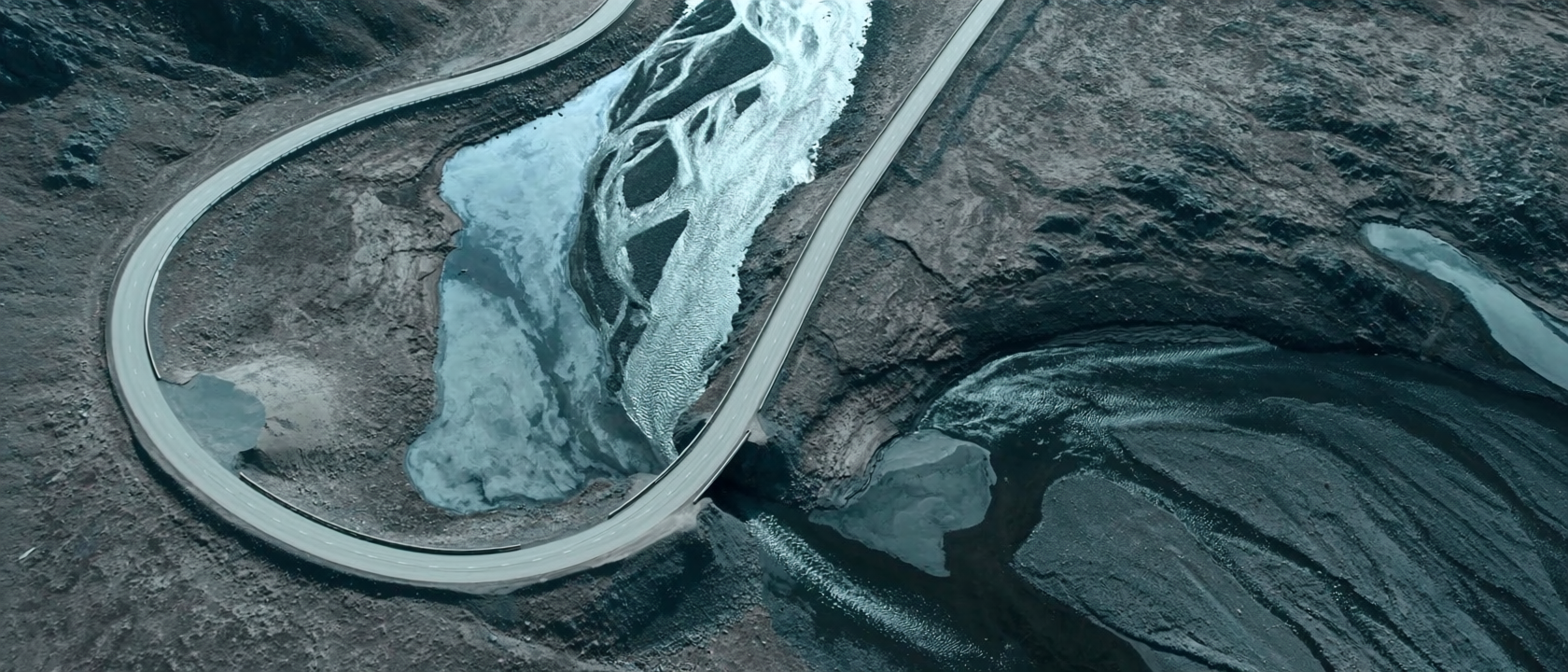
In destination-less mobility, navigation does not disappear.
It transforms.
Navigation becomes less about minimizing distance and more about shaping experience.
The system still calculates routes, but the objective function changes.
Instead of minimizing time, it balances:
environmental continuity
visual comfort
cognitive restoration
experiential coherence
The route becomes an experiential composition.
The journey becomes a designed state.
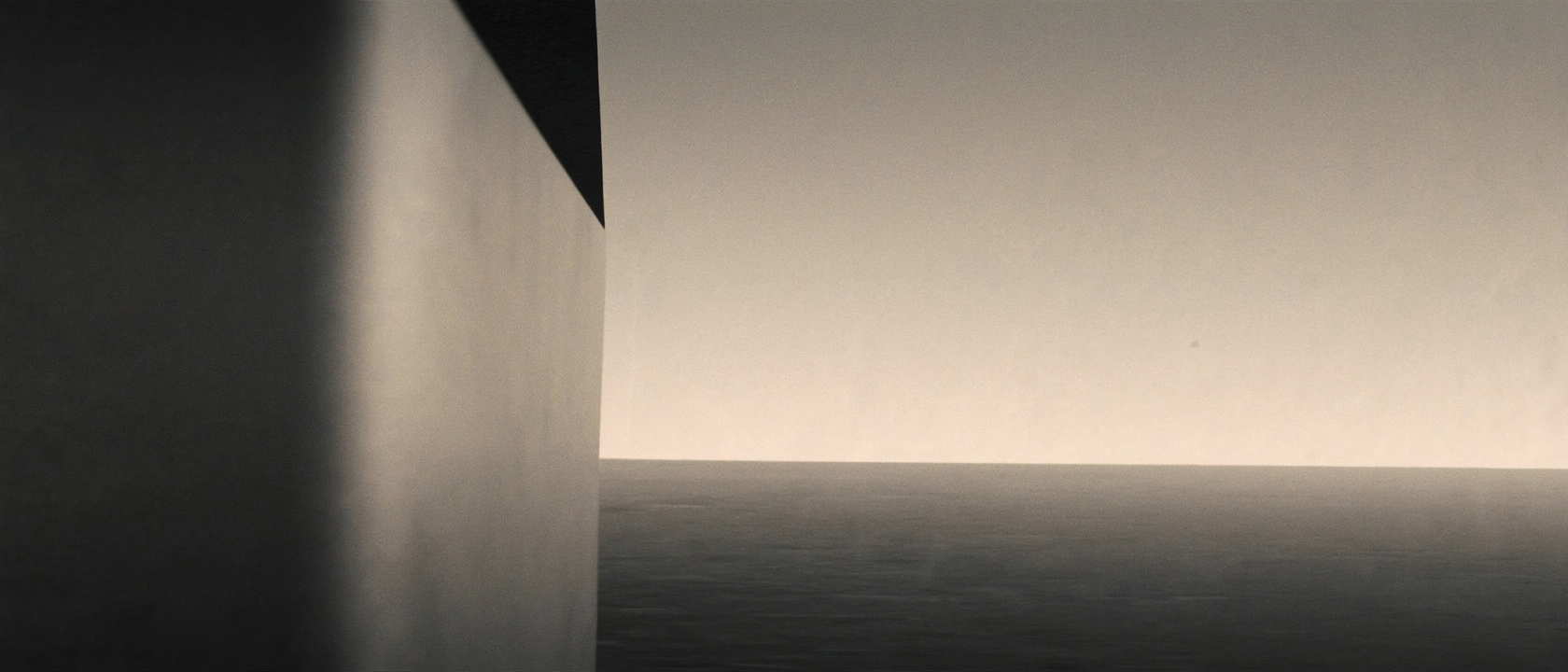
For a long time, vehicles have been tools for reaching places.
In the future, they may also become instruments for reaching states.
Perhaps the most meaningful journeys will not always be defined by where we arrive,
but by how we change while moving.
