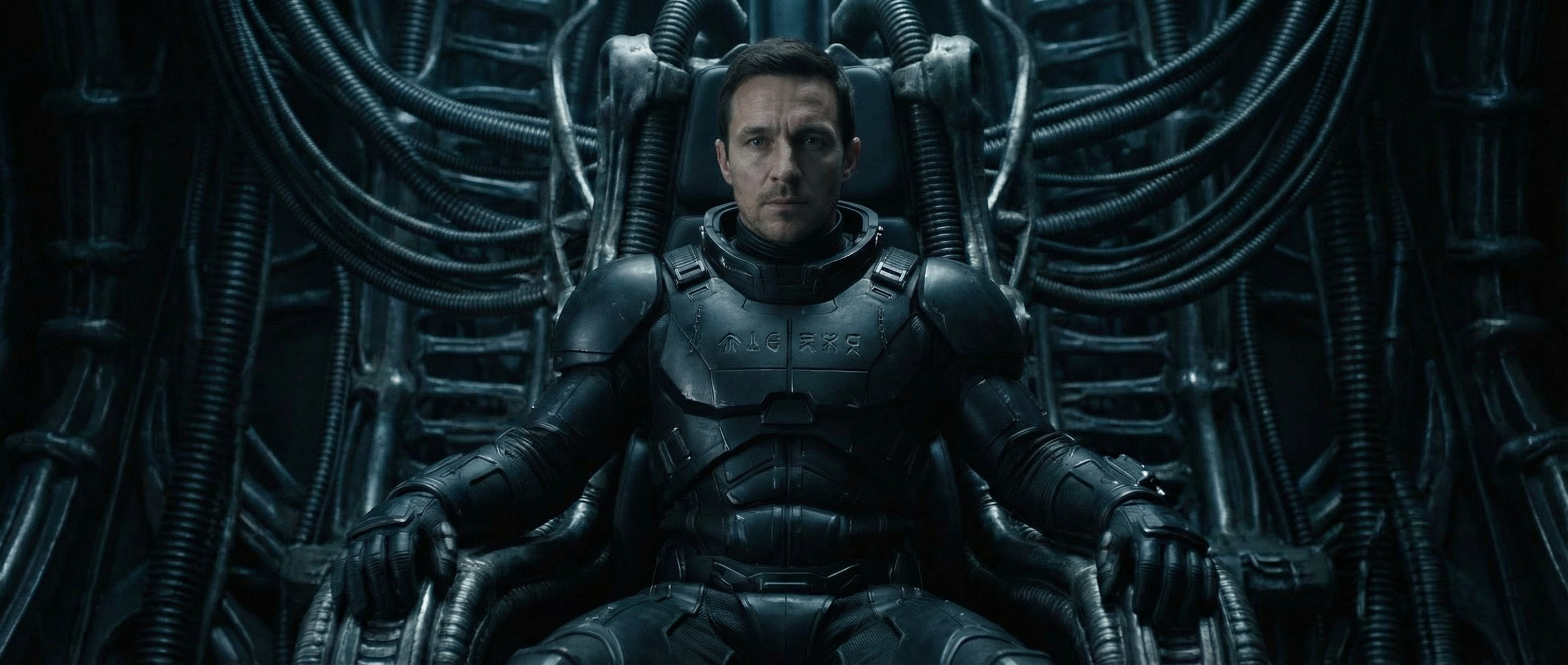
I’ve Seen This Before
Designing Recognition Without Memory
I’ve Seen This Before was conceived around a specific cognitive sensation:
recognition without recall.
Not memory, not nostalgia, but the unsettling certainty that something is familiar
without being able to locate when, where, or why.
From the beginning, the work focused on repetition—not as return, but as recurrence.
Sound and image were developed together to construct a condition where perception loops
while meaning remains just out of reach.
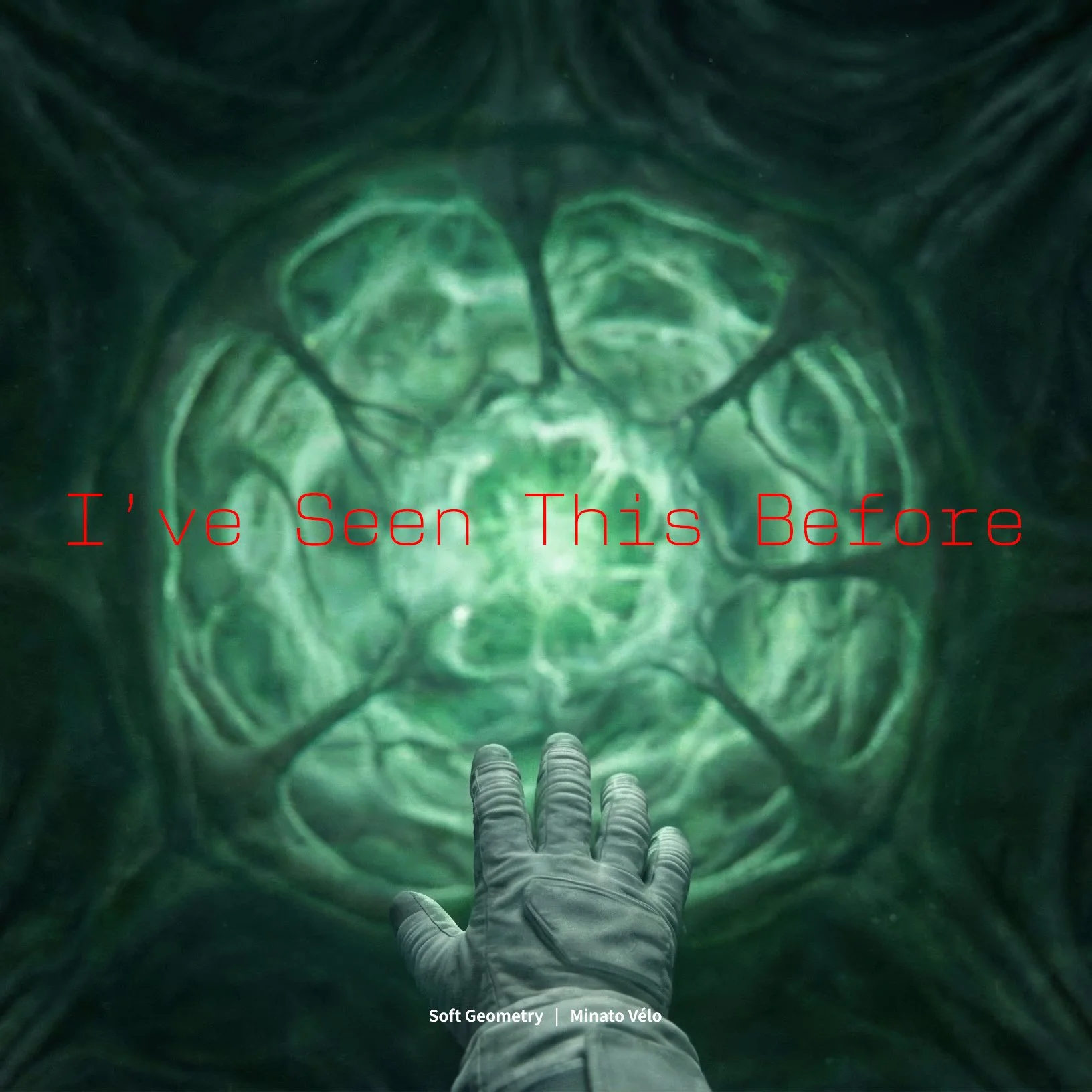
Beginning with Familiarity, Not Explanation
The initial question was deceptively simple:
How can something feel known without ever being confirmed as known?
The composition avoids clear motifs that can be remembered or named.
Instead, it uses patterns that almost resolve—phrases that resemble conclusions but never quite arrive.
This creates a continuous sense of anticipation,
as if recognition is always one step ahead of understanding.
The visual concept mirrored this precisely.
Scenes are composed to feel recognizable in structure,
yet stripped of identifying detail that would anchor them to a specific memory.
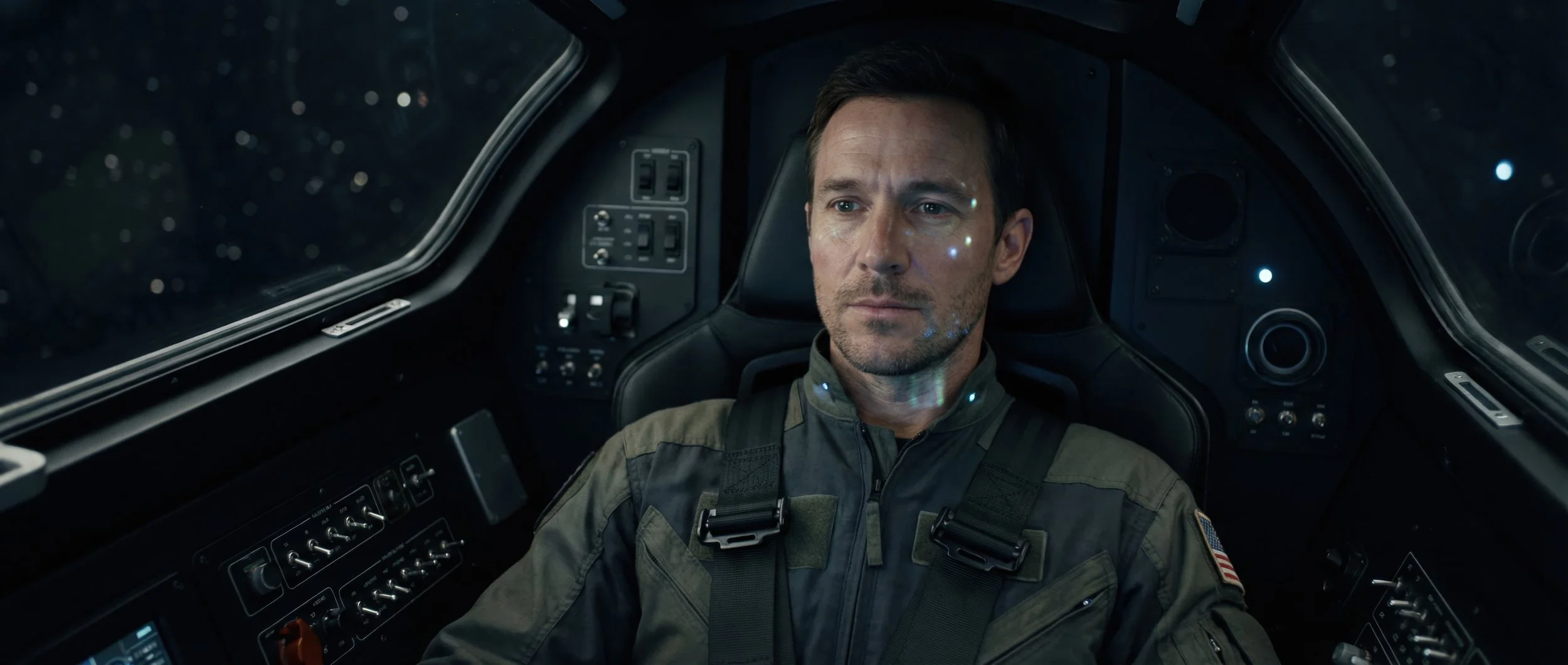
Repetition with Slight Deviation
Repetition is the primary structural device in I’ve Seen This Before.
However, no repetition is exact.
Melodic figures return altered in timing, texture, or register.
Rhythmic elements maintain consistency while subtly shifting emphasis.
The listener senses recurrence, but cannot locate an origin point.
Visually, similar framings and movements recur across sequences,
each time with minor changes in angle, distance, or duration.
The effect is intentional disorientation—
familiarity without confirmation.
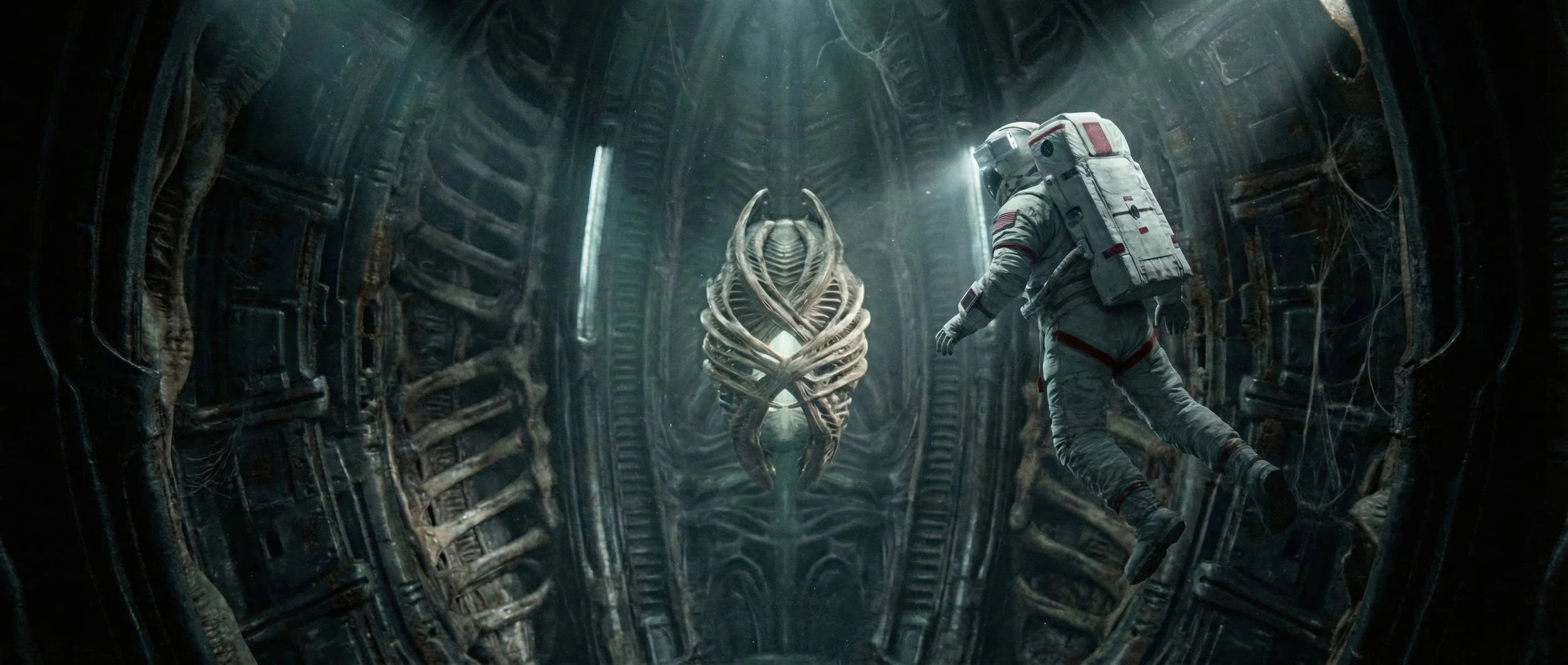
Recognition as a Surface Phenomenon
In this piece, recognition is treated as a surface response,
not a deep emotional event.
The music avoids emotional cues that would signal memory or sentiment.
There is no warmth of recollection, no dramatic reveal.
Instead, the sensation remains neutral, almost procedural.
Recognition happens, but it carries no emotional instruction.
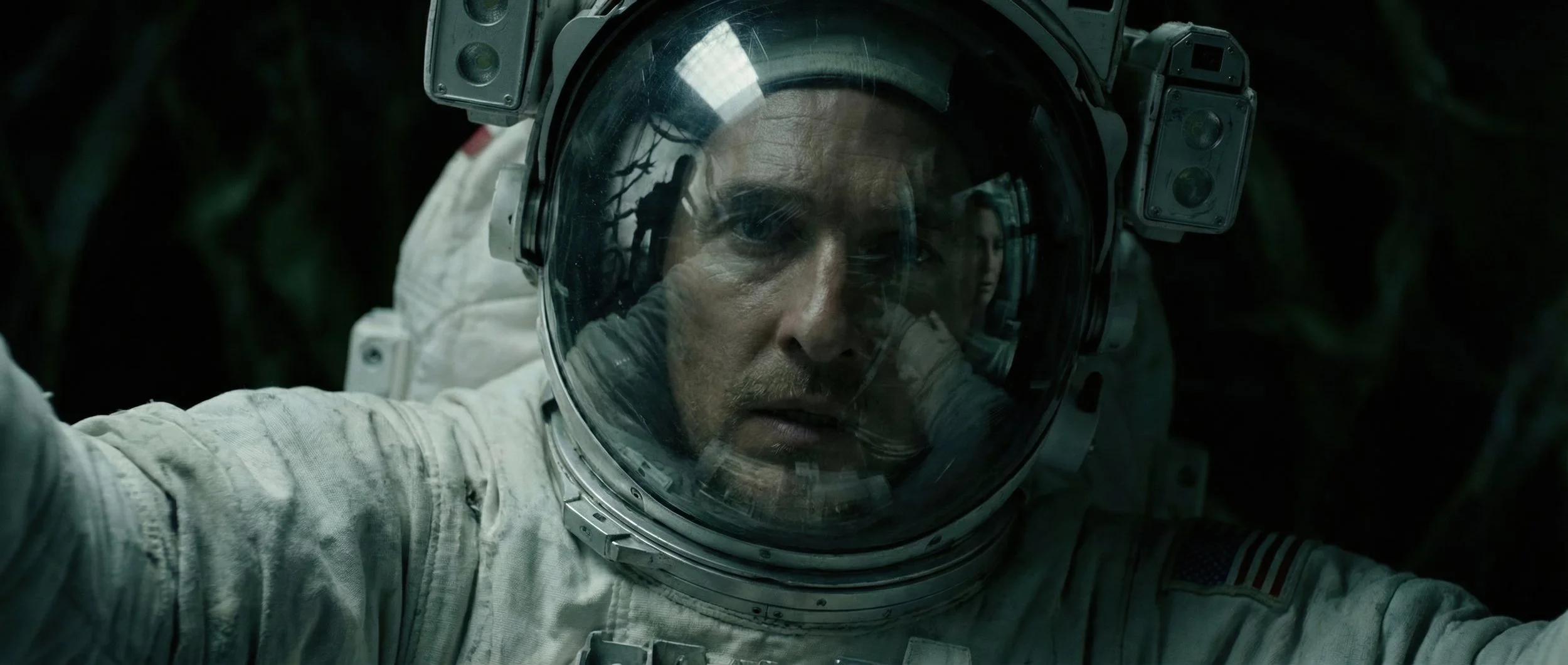
The visuals follow the same restraint.
Nothing is emphasized as significant.
Nothing claims symbolic importance.
The Absence of a First Time
A key decision was to eliminate the idea of a “first encounter.”
There is no beginning moment where something is introduced.
The piece feels as if it starts mid-loop,
as though the listener has entered an ongoing system already in motion.
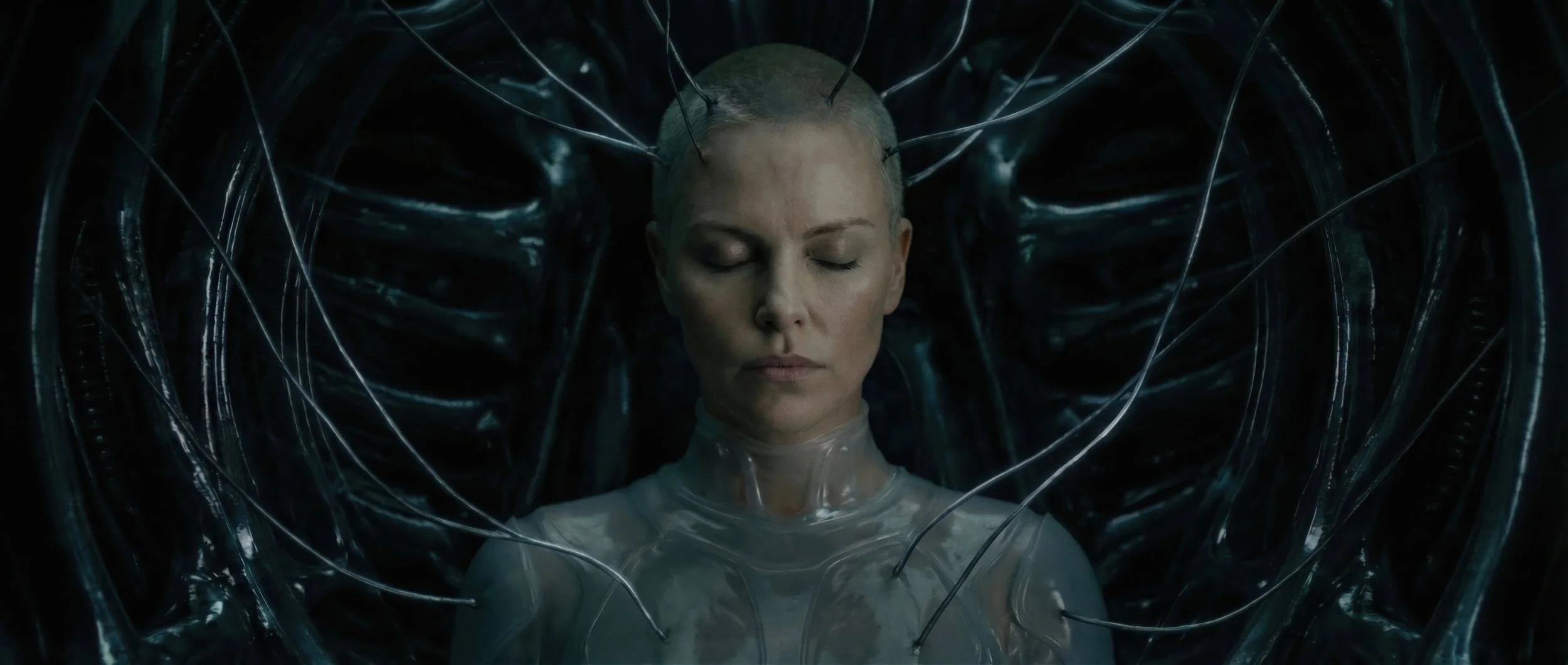
This approach rejects linear time.
Past and present collapse into a single, continuous perceptual state.
Suspended Resolution
Throughout the track, moments appear that suggest resolution—
a chord nearly settles, a rhythmic figure almost concludes.
Each time, resolution is withheld.
This refusal reinforces the central condition:
recognition without closure.
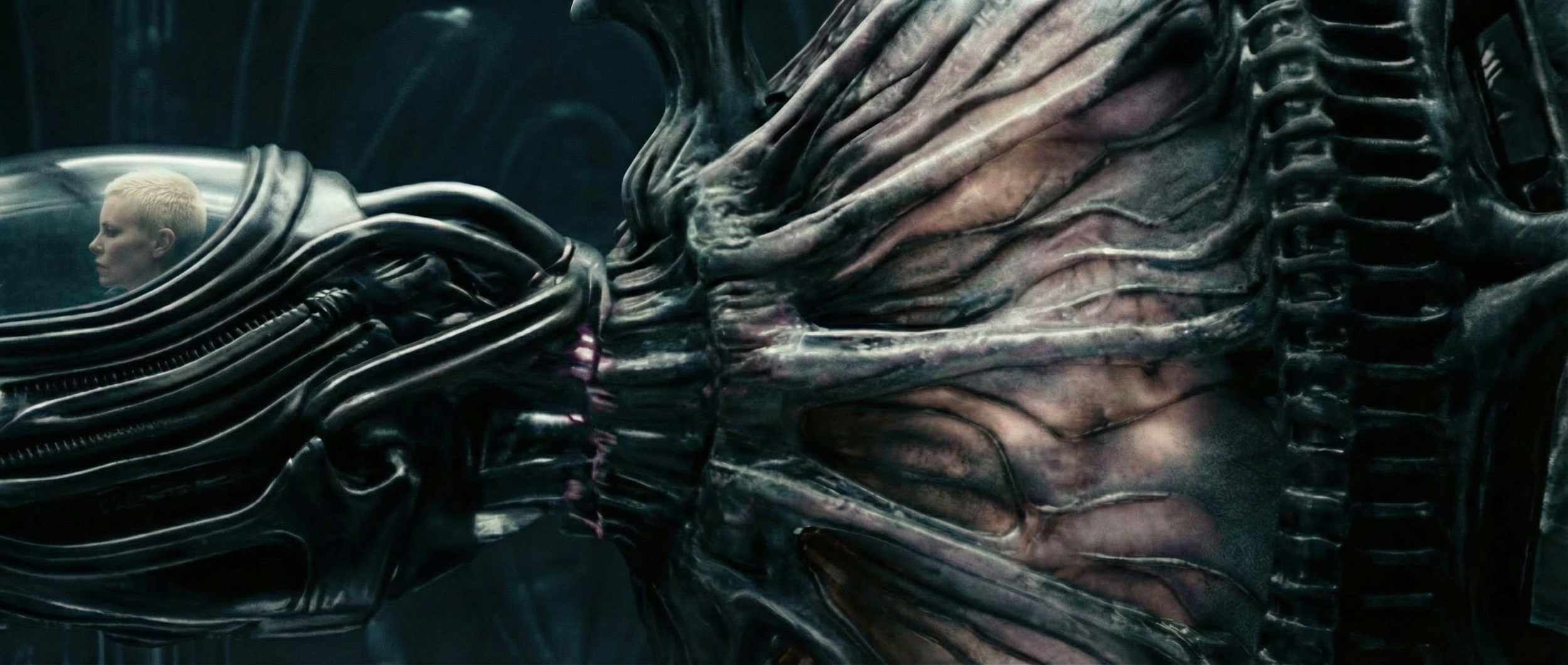
The video adopts the same logic.
Cuts occur where one expects continuity,
and continuity persists where one expects a cut.
Stopping the Loop
Like the previous works in this sequence,
I’ve Seen This Before does not end—it stops.
The loop is not resolved or broken.
It is simply no longer presented.
This distinction matters.
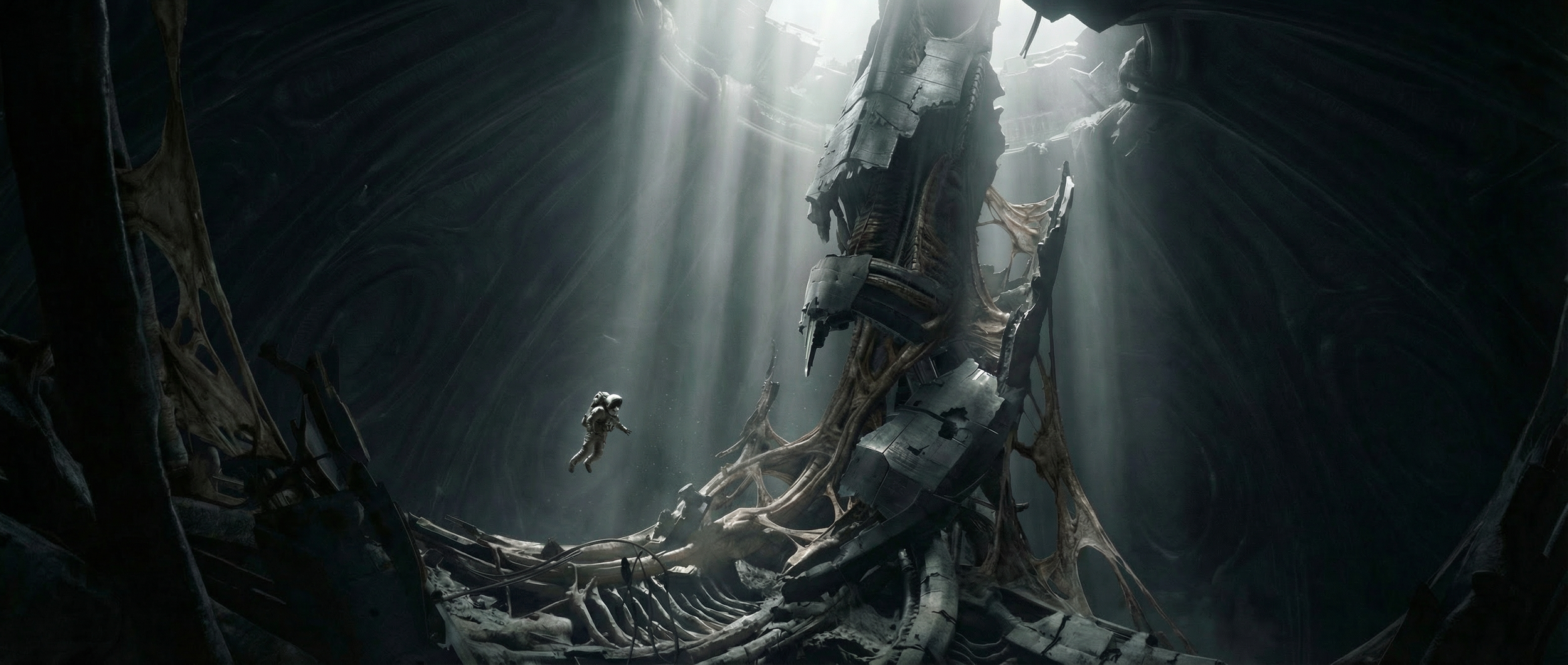
The sensation of recurrence remains intact,
extending beyond the duration of the piece itself.
Recognition as a Condition
I’ve Seen This Before is not about memory, déjà vu, or the past.
It is about the mechanism of recognition—
how the mind identifies patterns before meaning arrives.
The music and video do not explain this process.
They construct a state where recognition exists
without context, without emotion, and without confirmation.
What remains is not a remembered image,
but the persistent feeling that it has already happened.