

When Latency Becomes User Experience
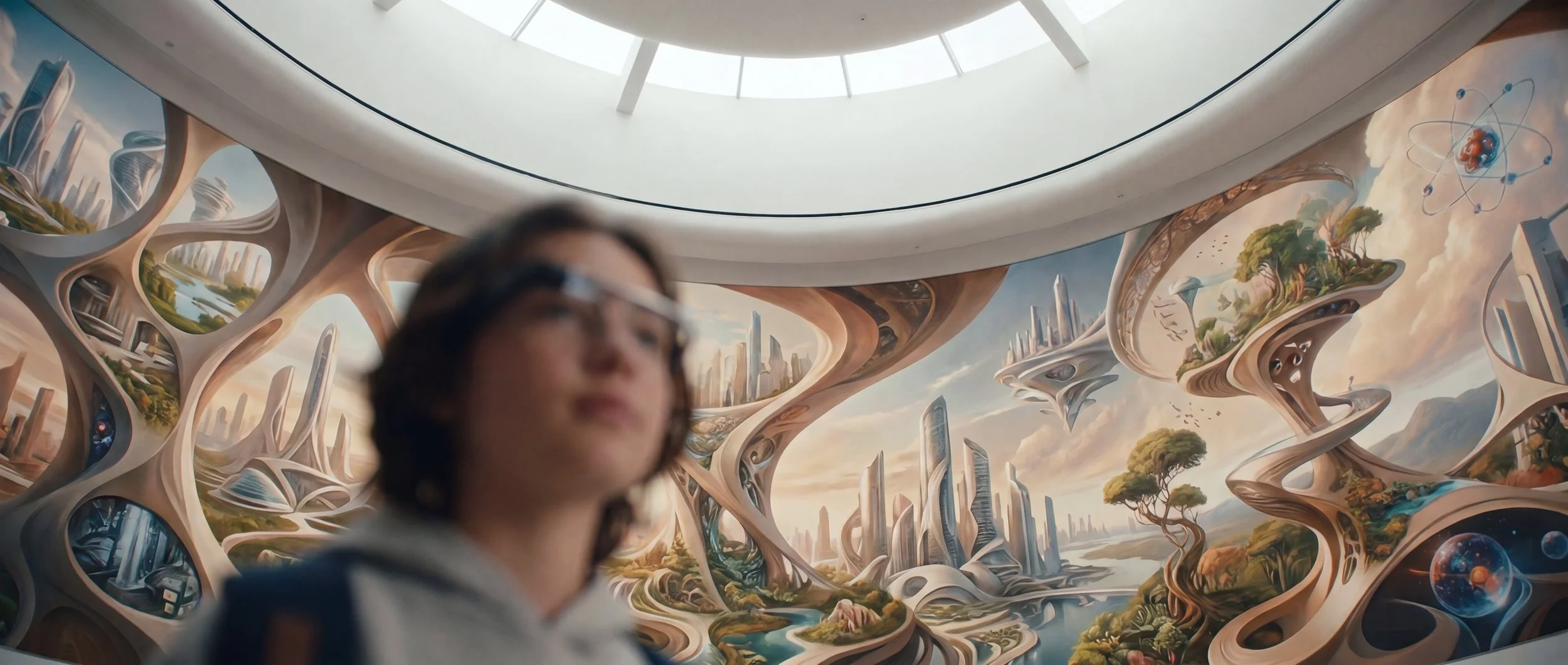
A future learning environment designed not for today's technology, but for technologies that have not arrived yet.
Why Time May Become the Most Important Interface in AI-Powered Arts Education
When we talk about UI (User Interface), we usually think about screens.
We discuss layouts, menus, buttons, and navigation.
We focus on what learners see and how they interact with digital systems.
But as AI becomes increasingly integrated into arts education, a different question begins to emerge.
What if the most important interface is no longer the screen?
What if it is time?
The real transformation is not the technology itself, but the way it reshapes our experience of time.
Designing for a Future That Does Not Exist Yet
Many educational institutions are currently exploring how AI can support creative learning.
New tools are introduced.
Workshops are organized.
Students learn how to generate images, videos, music, and interactive experiences.
Yet the educational environments being planned today will often not open for several years.
By the time they do, the technology itself may have changed dramatically.
Image generation may feel instantaneous.
Video generation may happen in near real-time.
Wearable devices such as smart glasses could become commonplace.
Augmented and mixed reality systems may become natural parts of creative learning environments.
A student might imagine a concept and immediately see it appear on a shared screen, a wall, or even within the surrounding space.
The challenge, however, is not the technology itself.
The challenge is time.
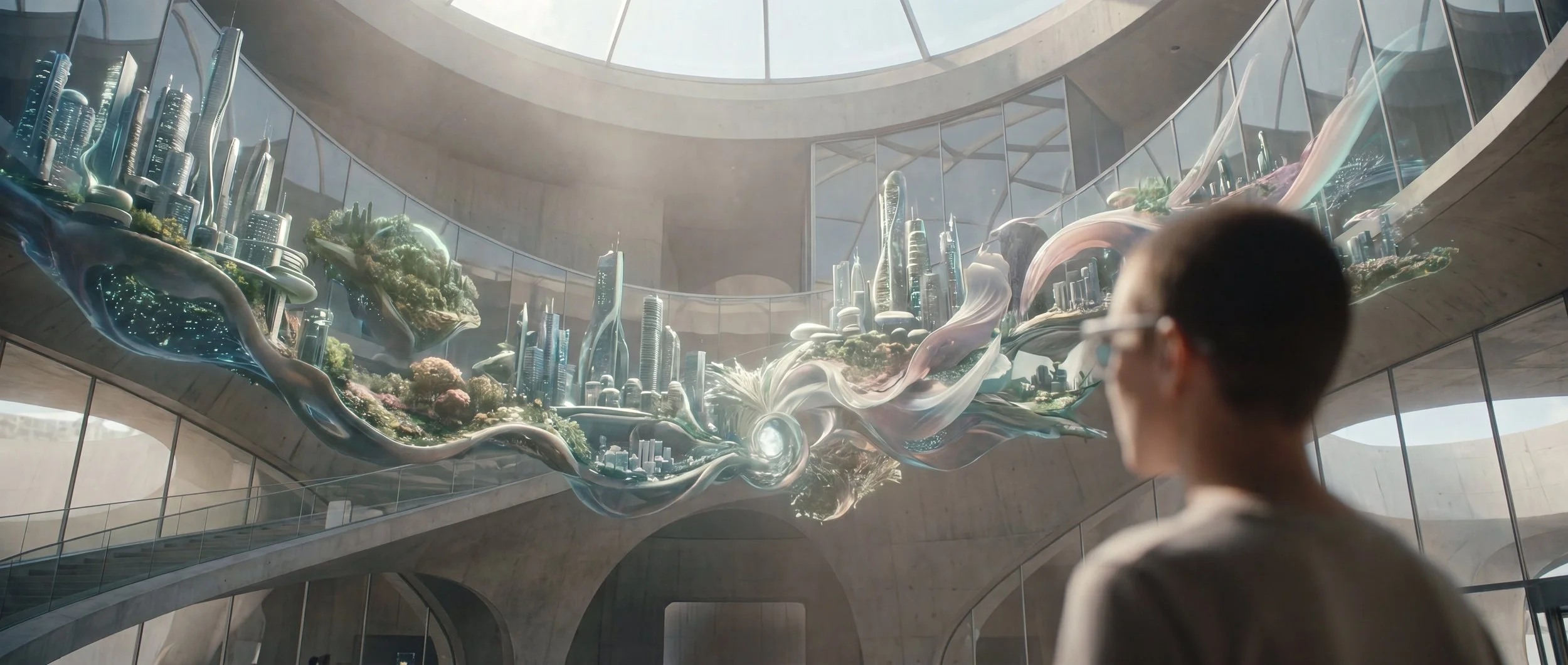
In AI-powered learning environments, unequal access to time may become as significant as unequal access to knowledge.
AI Changes How We Experience Time
Traditional educational environments are primarily designed around space.
How many students can fit in a classroom?
Where should equipment be placed?
How large should the display be?
How should the room be organized?
These questions remain important, but AI introduces a new layer of experience.
Students no longer experience only the learning content.
They experience response times.
They experience generation times.
They experience processing times.
They experience waiting.
In AI-powered learning environments, users are not simply interacting with systems.
They are interacting with time.
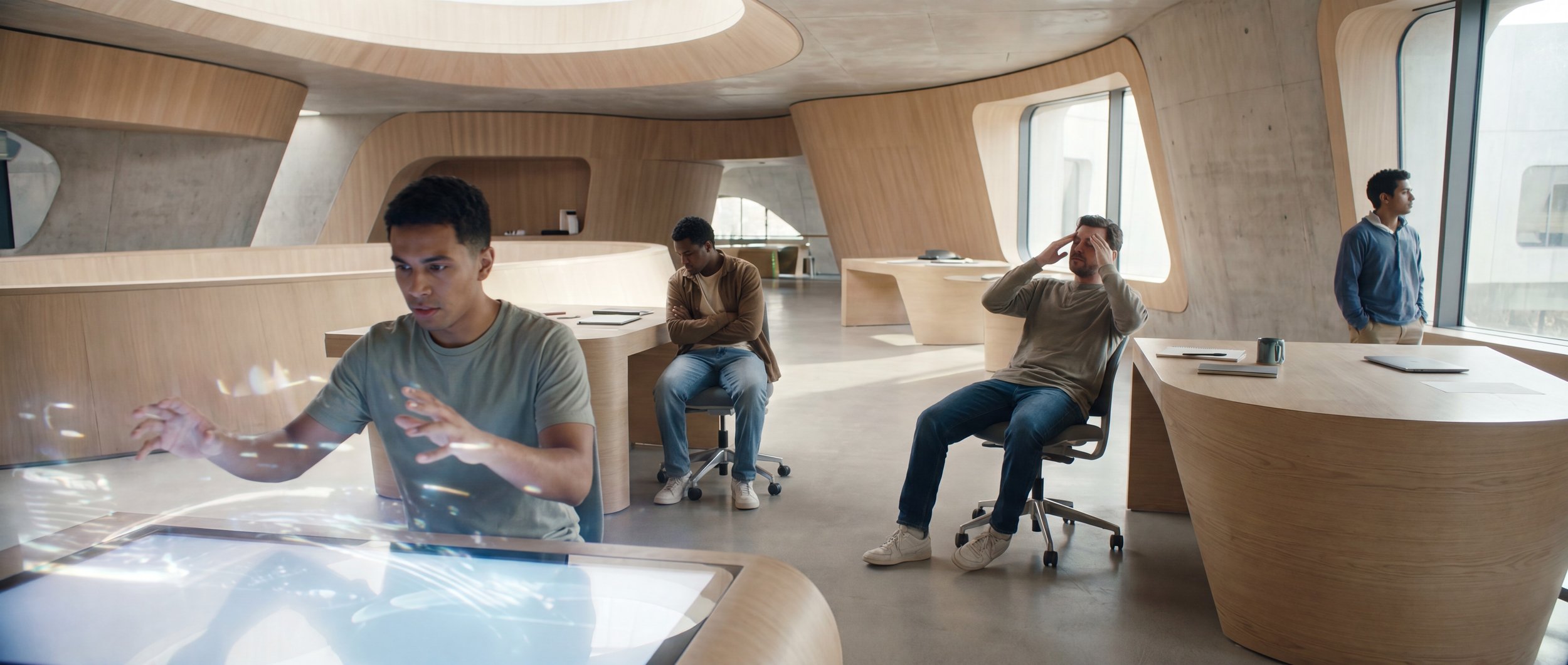
When expectation moves faster than technology, time becomes visible.
The Emergence of Temporal Inequality
Historically, educational systems have dealt with differences in knowledge, skill, and experience.
AI introduces another variable:
Differences in time.
Imagine a collaborative project involving several students.
One student receives AI-generated results within seconds.
Another waits fifteen seconds.
A third encounters network delays.
A fourth must restart a failed generation process.
Technically, everyone is using the same technology.
Experientially, they are participating in completely different learning environments.
One learner may conduct dozens of creative experiments within an hour.
Another may spend much of that same hour waiting.
The result is not merely a difference in productivity.
It becomes a difference in opportunity.
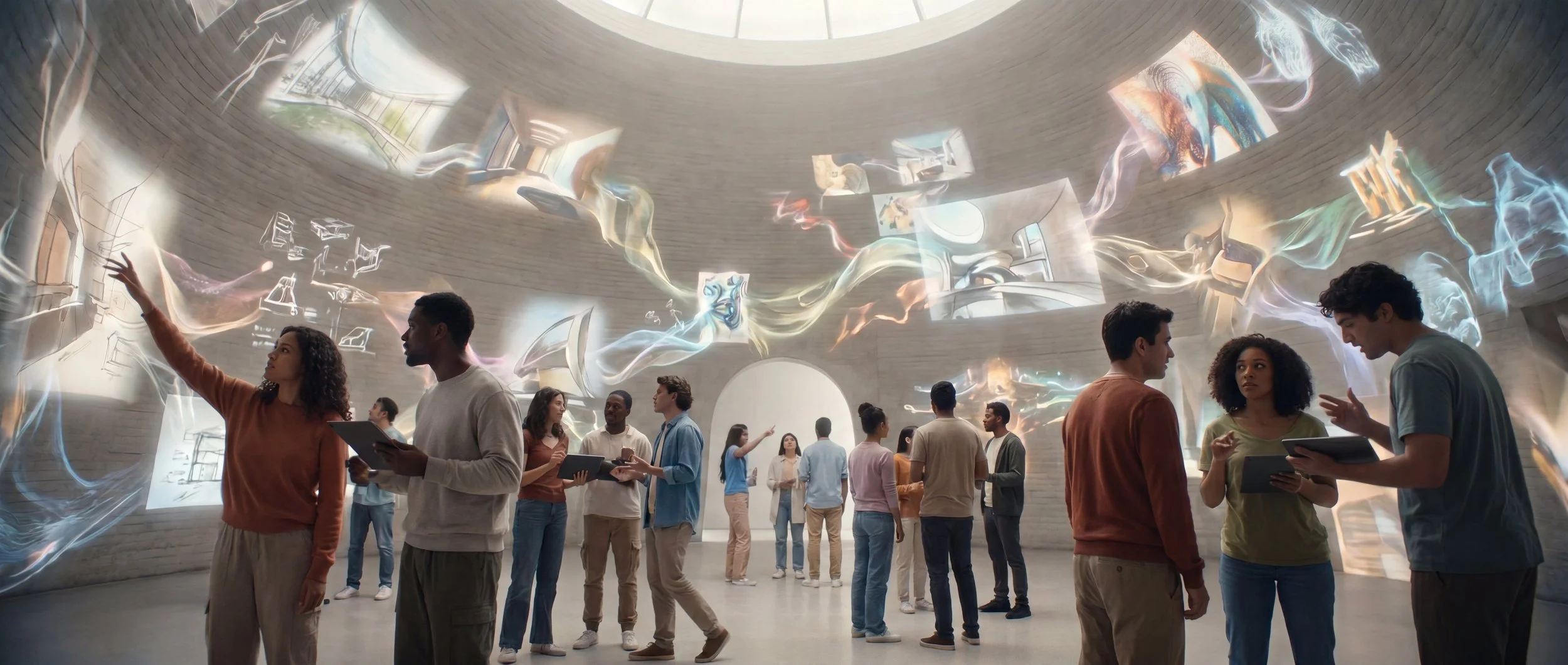
The value of AI is not how quickly it generates results, but how effectively it preserves creative flow.
Waiting Is Not a Technical Problem
Engineers may describe delays in terms of infrastructure.
Insufficient computing power.
Network congestion.
Cloud processing bottlenecks.
Storage limitations.
From a learner's perspective, however, these are not technical issues.
They are experiential issues.
Three seconds feels conversational.
Ten seconds feels procedural.
Thirty seconds feels disruptive.
Two minutes feels broken.
The same output can produce completely different educational experiences depending on how long it takes to appear.
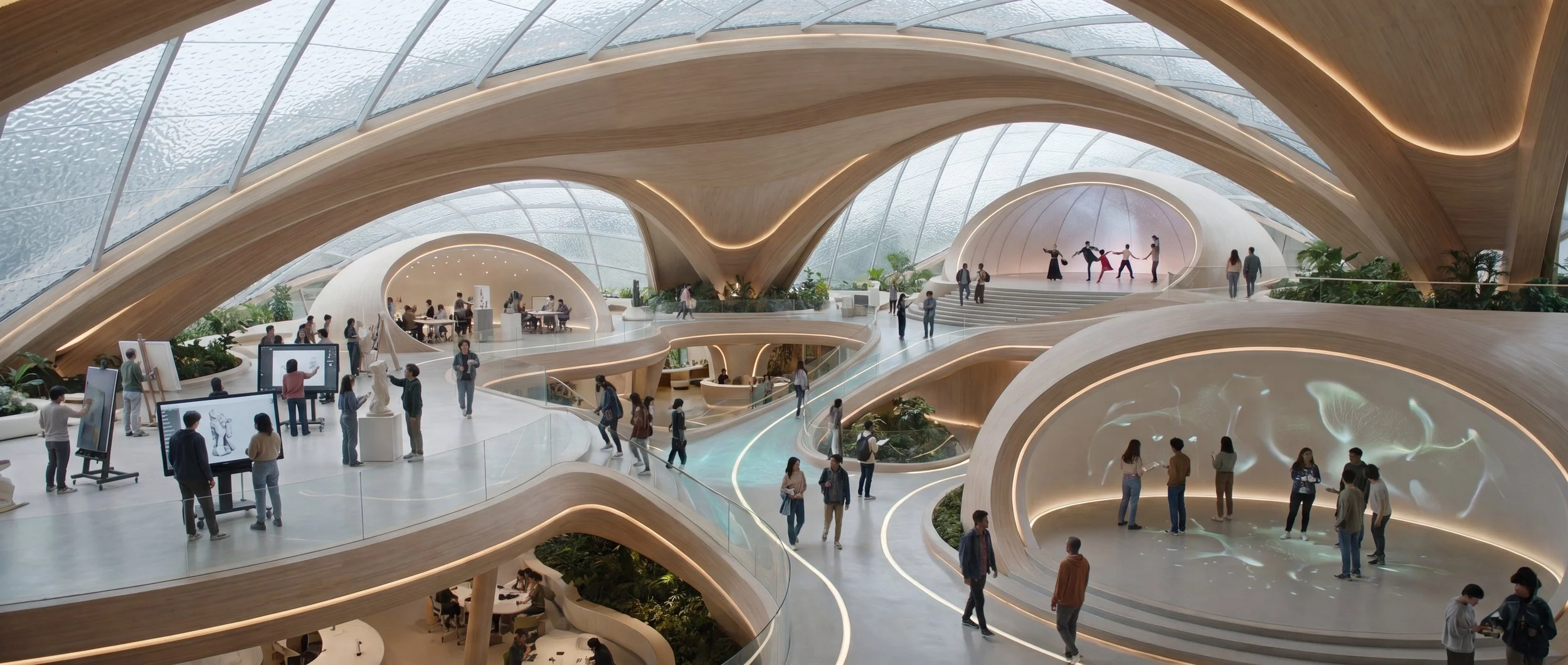
The most important infrastructure may not be computing power, but the ability to keep creative experiences moving without interruption.
Creativity Depends on Flow
Creative education relies heavily on momentum.
An idea appears.
A variation is tested.
A mistake leads to another discovery.
A new direction emerges unexpectedly.
This cycle depends on continuity.
When delays become unpredictable, creative flow begins to fracture.
The learner is no longer focused on exploration.
They become focused on waiting.
In environments where AI is deeply embedded into the creative process, latency is not simply a performance metric.
It becomes part of the learning experience itself.
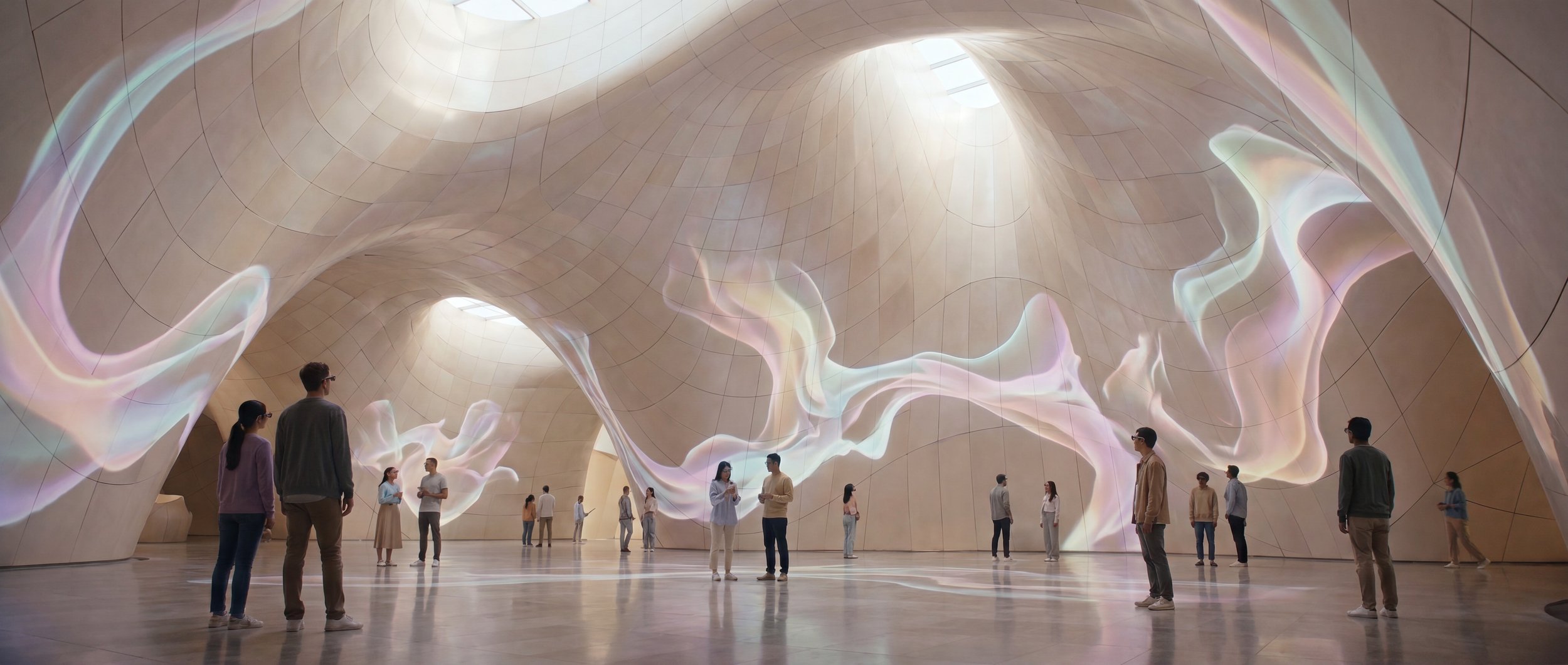
Time becomes invisible when experience moves as naturally as thought.
Future Educational Spaces Must Design for Time
As AI becomes more deeply integrated into arts education, the responsibility of educational design expands.
Questions about hardware and software remain important, but they are no longer sufficient.
How quickly can learners receive feedback?
How consistently can collaborative groups maintain creative momentum?
How resilient is the system when networks slow down or services fail?
How does aging infrastructure affect creative exploration?
How can delays be communicated without interrupting engagement?
These are not purely technical questions.
They are design questions.
And increasingly, they are UX questions.
The Most Important Interface May Be Time
For decades, educational environments have been designed primarily through the lens of space.
Classrooms.
Studios.
Workshops.
Laboratories.
AI introduces a new dimension.
Time itself becomes part of the interface.
Learners do not simply experience tools.
They experience responsiveness.
They do not simply experience screens.
They experience rhythm.
They do not simply experience AI.
They experience the flow—or interruption—of creative thought.
As AI-powered arts education continues to evolve, the most important design challenge may not be what learners see.
It may be how they experience time.
And in that future, the most important interface may not be a screen at all.
