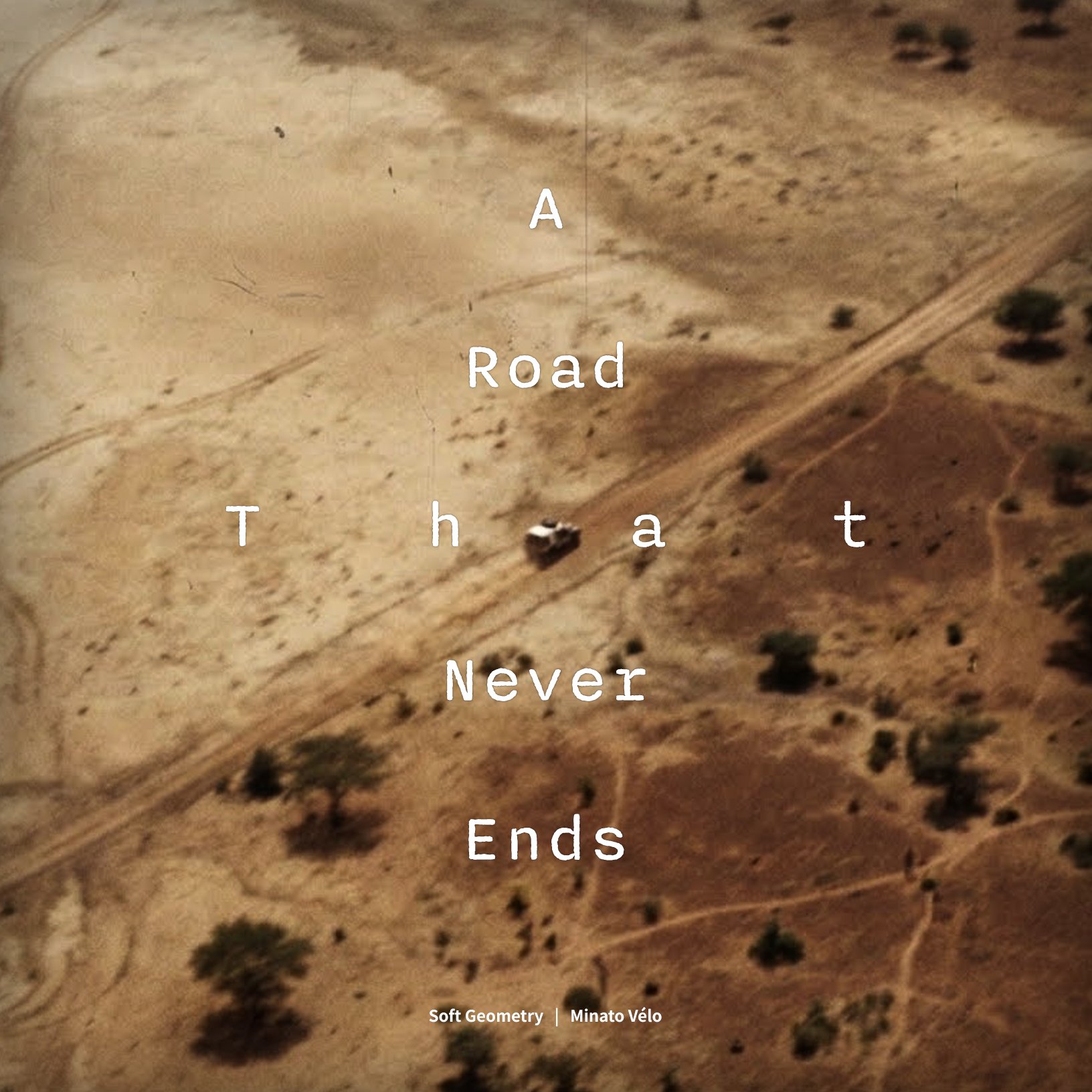
A Road That Never Ends
Designing Continuity Without Arrival
A Road That Never Ends was conceived as an experiment in sustained continuation.
Not a journey, not a loop, but a condition in which forward motion exists without the promise of arrival.
From the beginning, the project was framed around a single question:
What remains when progress no longer implies resolution?
The music and the video were developed together as parallel systems, each reinforcing the idea of an uninterrupted path—one that extends beyond narrative, beyond destination, and beyond closure.
Removing the Idea of an Ending
The composition was intentionally designed without a conventional arc.
There is no climax to anticipate and no release to wait for.
Instead, the structure favors repetition with gradual variation—small shifts that suggest time passing rather than change occurring.
Harmonic movement avoids finality.
Phrases do not resolve; they simply continue, slightly altered, as if the road itself refuses to acknowledge an endpoint.
This approach dictated the visual concept as well.
The video does not build toward a final image.
It sustains a direction, not a destination.

Time as the Primary Material
In A Road That Never Ends, time becomes the core material.
Rhythm is steady, uninsistent, and almost indifferent—marking duration rather than momentum.
The listener is not pulled forward; they are carried alongside the flow.
Silence is not used for contrast, but for continuity.
Moments of minimal sound function as extensions of the same state, not interruptions.
Visually, this translated into sequences that emphasize duration over event.
Shots are allowed to outlast their informational value.
Movement persists even when nothing changes.
The Road as an Abstract Structure
The “road” in this work is not a literal place.
It functions as an abstract structure—a line through time rather than space.
Any element that risked turning the road into a metaphor with a fixed meaning was deliberately restrained.
No signs, no landmarks, no cues that imply progress or achievement.
The environment exists only to support continuity.
It does not react, guide, or reward.
Distance Without Escape
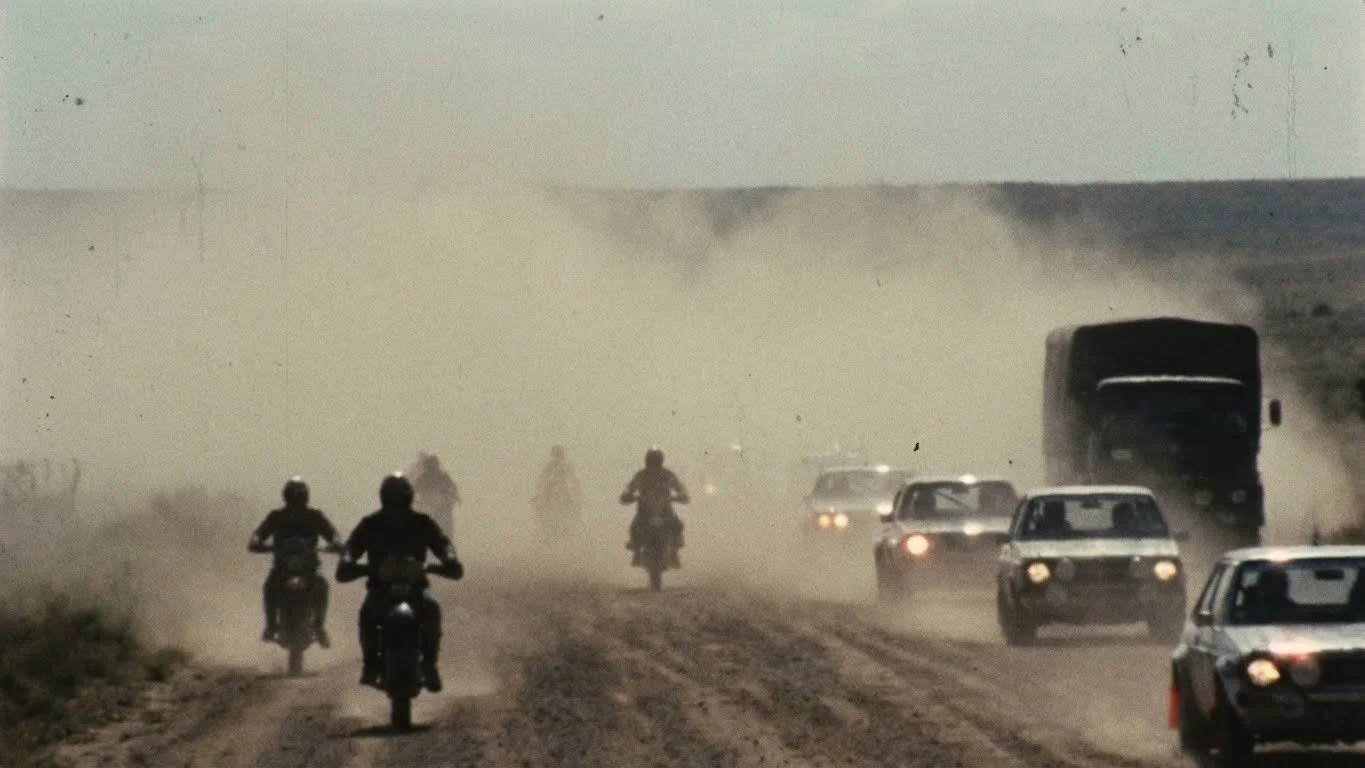
A critical decision was to avoid framing motion as escape.
There is no sense of leaving something behind, nor of approaching something ahead.
The movement is neutral, almost administrative—simply ongoing.
This neutrality is reflected in both sound and image.
The music avoids emotional escalation, and the visuals avoid symbolic emphasis.
Together, they construct a space where motion feels inevitable but unremarkable.
Ending Without Closure
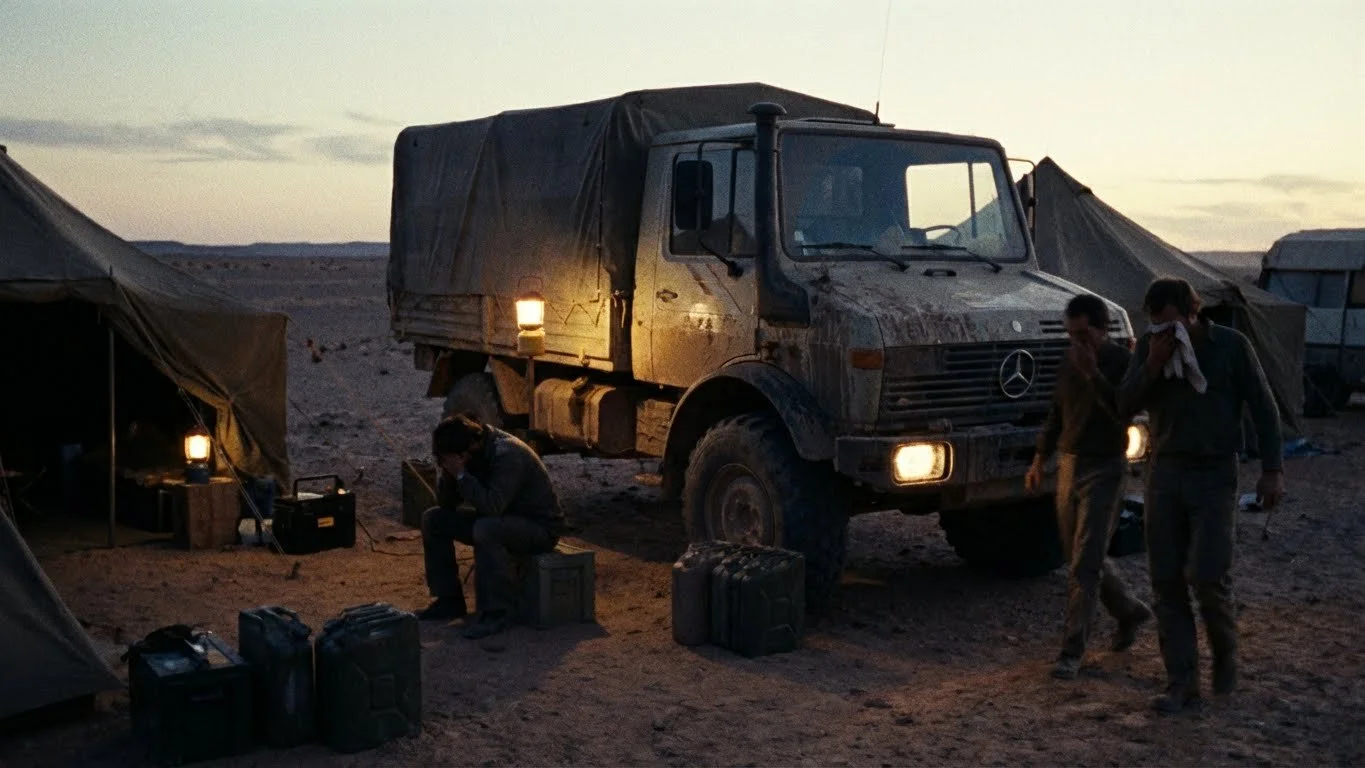
The piece does not end in the traditional sense.
It stops.
This distinction mattered.
Stopping is not resolution; it is merely the absence of further presentation.
The road itself remains conceptually intact, extending beyond what is shown or heard.
The intention was to leave the listener and viewer with a sense of continuation rather than completion.
Continuation as a State
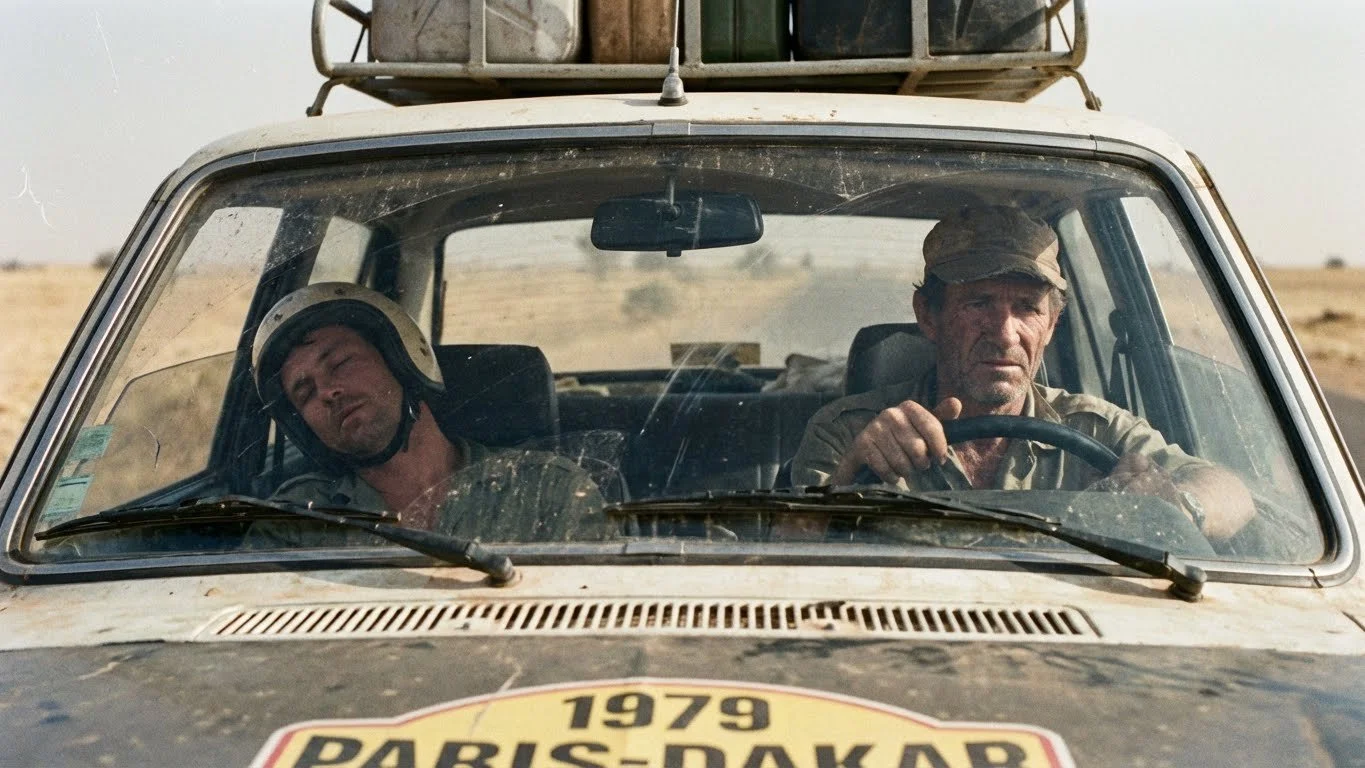
A Road That Never Ends is not about perseverance or infinity as a concept.
It is about inhabiting a condition where continuation has lost its narrative pressure.
The work does not ask where the road leads.
It asks what happens when the act of moving forward no longer requires justification.
Sound and image align to construct a single state—
one where motion exists without promise,
and time unfolds without the obligation to conclude.