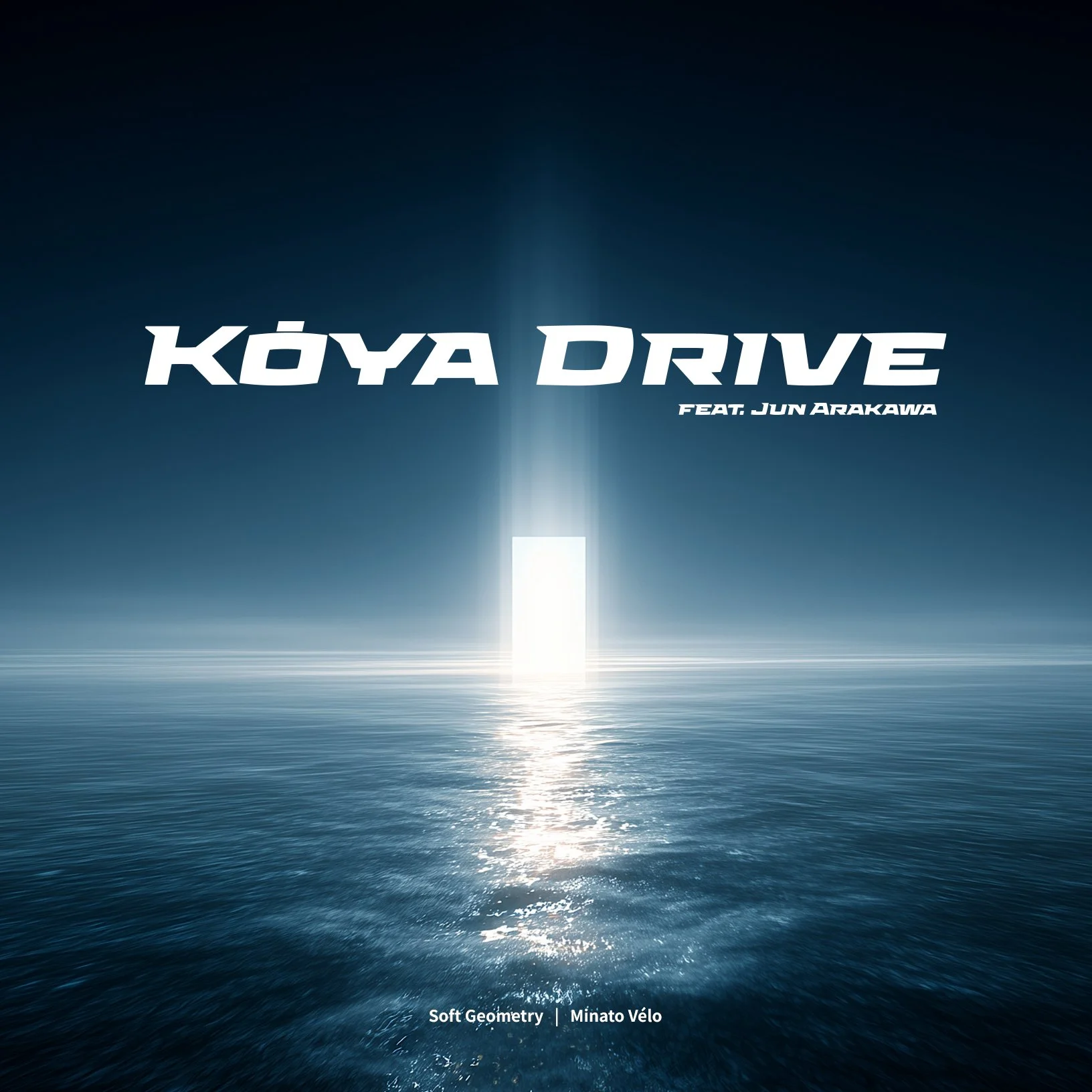
Kōya Drive
Designing Motion Through Emptiness
Kōya Drive was conceived as a study of movement without destination.
From the outset, the project was less about speed or travel, and more about what happens to perception when nothing asks for attention.
Kōya—the idea of vast, open, and sparsely inhabited space—became the conceptual ground for both the music and the visual direction.
Sound and image were developed together, not as cause and effect, but as parallel systems describing the same condition.
Beginning with Absence, Not Action
The initial premise was deliberately counterintuitive:
How can motion be expressed without narrative momentum?
Rather than building progression or escalation, the composition was structured around constancy.
Tempo remains stable, harmonic movement is restrained, and melodic figures repeat with slight variation—enough to suggest travel, but not arrival.
The video concept followed the same logic.
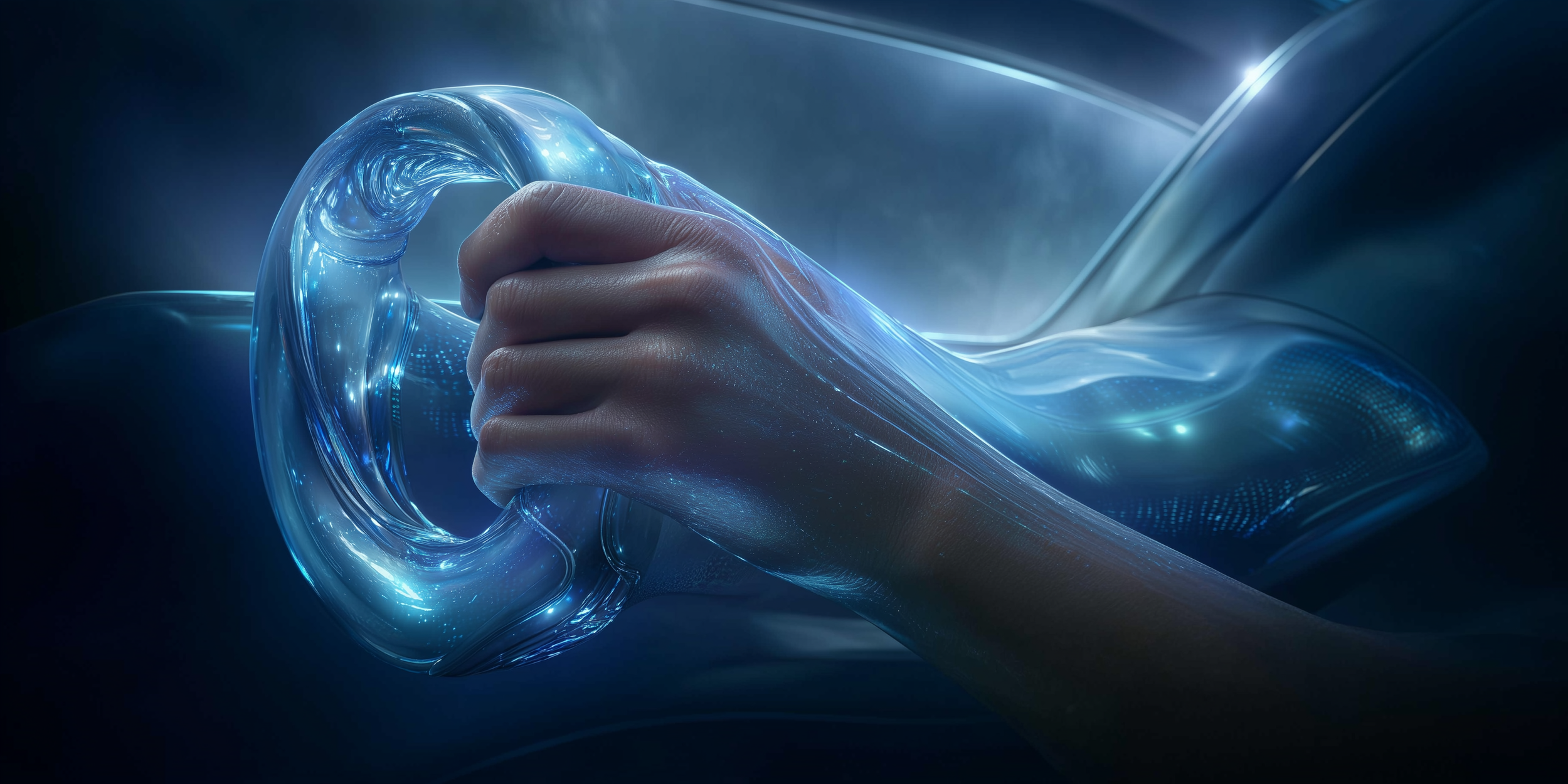
Driving was chosen not as an event, but as a state: eyes forward, thoughts drifting, surroundings passing without demand.

Rhythm as Environment
In Kōya Drive, rhythm functions less as a guide and more as an environment.
It establishes continuity rather than direction.
Percussive elements remain understated, acting as markers of time rather than drivers of energy.
This allowed the music to feel suspended—always moving, yet never pushing forward.
The listener is not carried toward a conclusion, but held inside an ongoing flow.
Visually, this translated into long takes and minimal editorial intervention.
Cuts were reduced, transitions softened.
The camera observes rather than reacts.
Landscape Without Spectacle
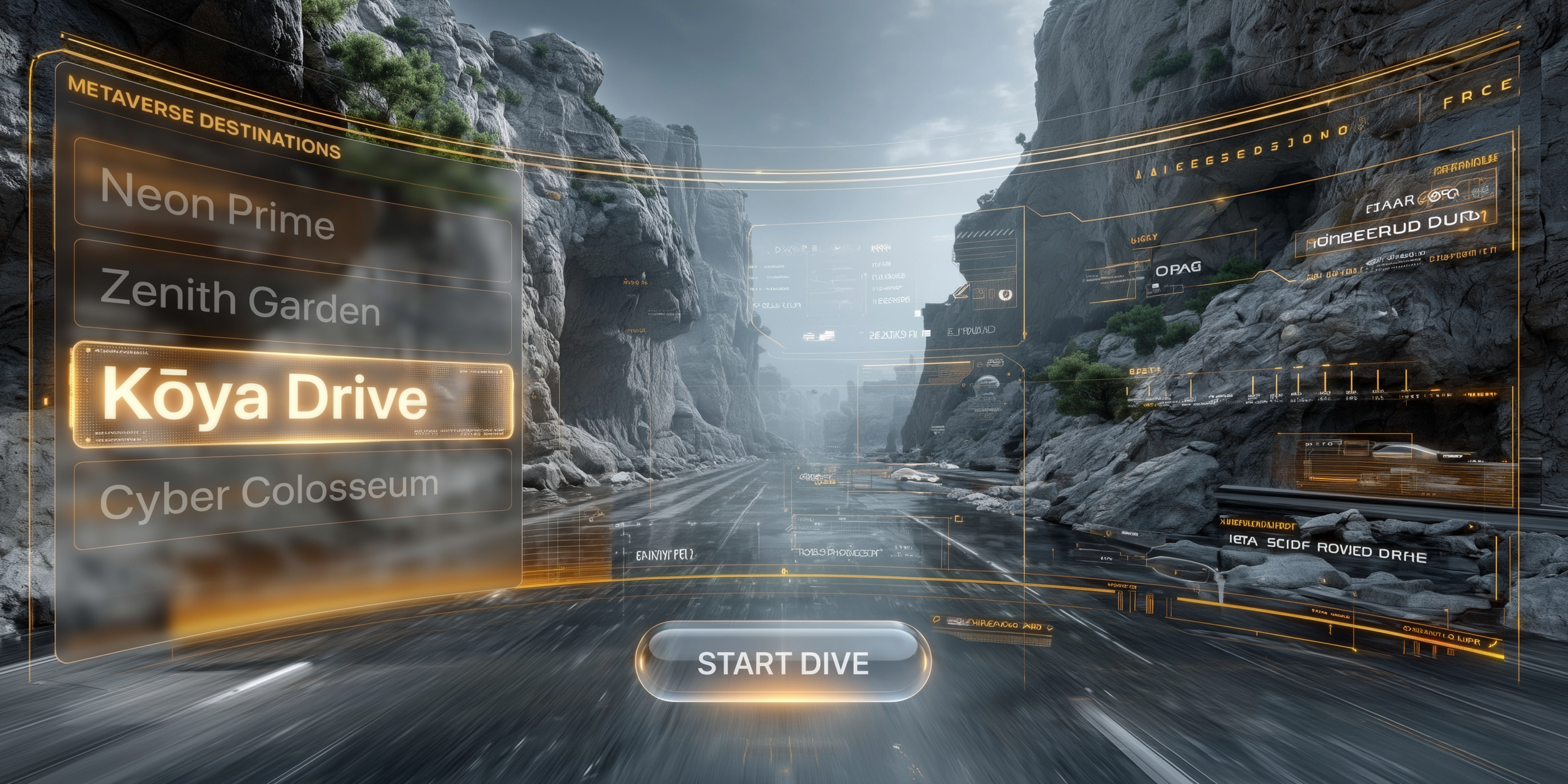
The visual language of Kōya Drive avoids spectacle.
Wide spaces are presented without emphasis; horizons exist without framing them as destinations.
Nothing in the frame claims narrative importance.
This restraint was intentional.
The environment needed to feel indifferent—present, expansive, and quietly unmoved by the viewer’s passage through it.
Color and texture were kept neutral, leaning toward muted tones that reinforce the sense of distance rather than atmosphere.
The Driver as a Peripheral Presence
A key decision was to avoid centering the subject.
The driver exists, but remains peripheral—sometimes implied rather than shown.
The point of view is observational, never confessional.
This choice mirrors the musical approach.
Just as the composition avoids melodic dominance, the visuals avoid emotional anchoring.
The work resists turning motion into meaning.

Sustaining the State
Kōya Drive does not build toward resolution.
Its ending is not a conclusion, but a withdrawal—the motion simply ceases to be presented.
This was a deliberate refusal of payoff.
The intent was to preserve the integrity of the state, rather than justify it through closure.
What remains is not memory of a journey, but awareness of duration.

Motion Without Narrative
Ultimately, Kōya Drive is not about travel.
It is about the sensation of continuing—through space, through time, through thought—without expectation.
The music and video do not ask to be interpreted.
They ask only to be occupied.
Kōya Drive constructs a condition where movement exists
without urgency, without destination, and without explanation.