Je Te Rêve en Bleu
On a Color That Exists Only in Dreams
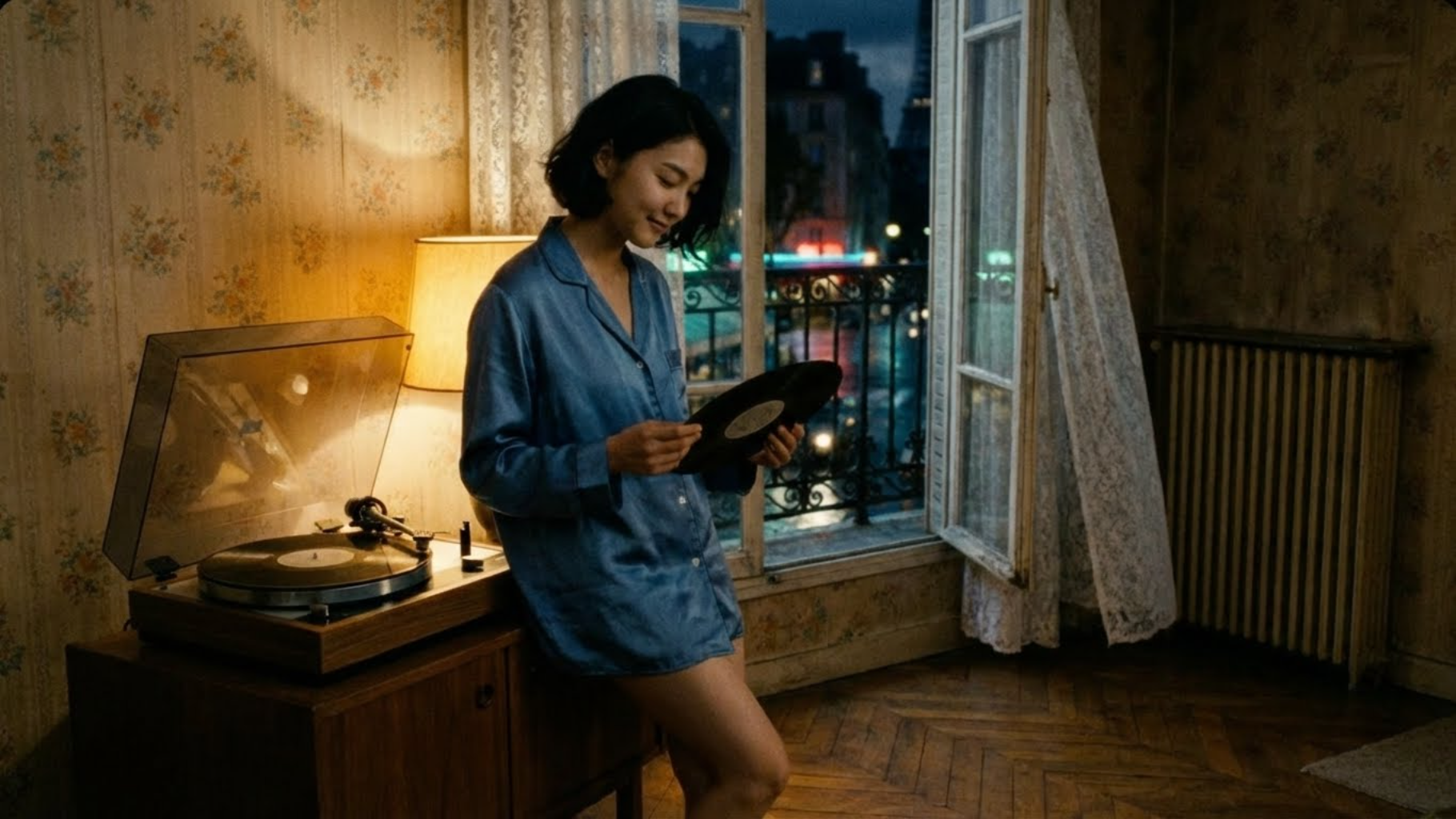
Je Te Rêve en Bleu was conceived not as a song alone, but as a shared state between sound and image.
From the beginning, the intention was to design a condition—one where memory, emotion, and visual perception remain deliberately unresolved.
Bleu here is not a color in the graphic sense.
It is a temperature, a distance, a tonal bias that sits between presence and absence.
The music and the video were developed in parallel, each influencing the other, rather than one illustrating the other.
Starting from What Cannot Be Explained
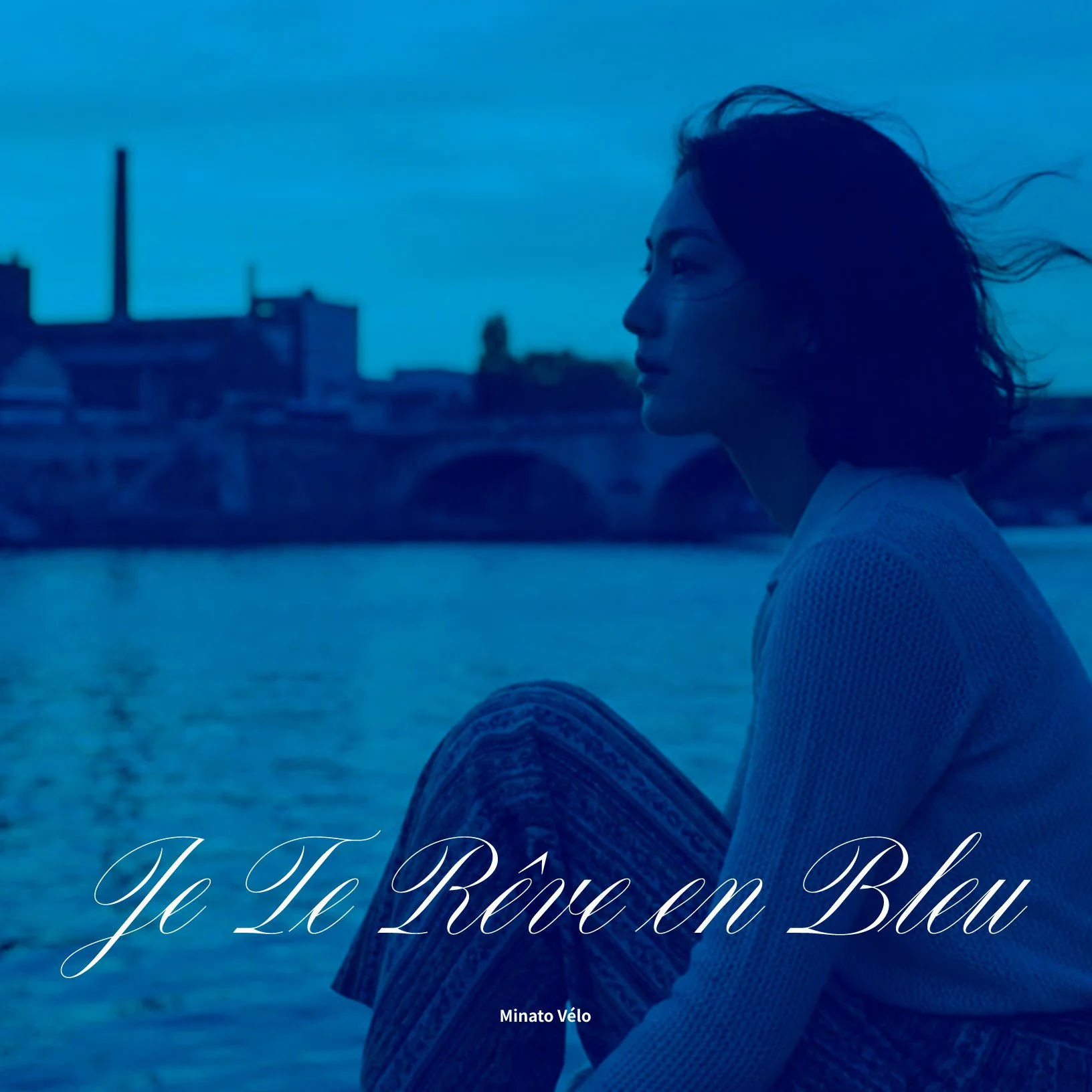
The initial question was simple but restrictive:
How can an emotion be expressed without naming it?
Rather than building a narrative or a clear emotional arc, the composition was designed to stay just below the threshold of explanation.
No dramatic chord changes, no overt melodic resolution.
The structure favors suspension—moments that feel unfinished, yet intentional.
This approach was mirrored in the visual concept.
The video was never meant to “tell a story,” but to hold a mood long enough for the viewer’s own memory to intervene.
Composing with Restraint and Negative Space
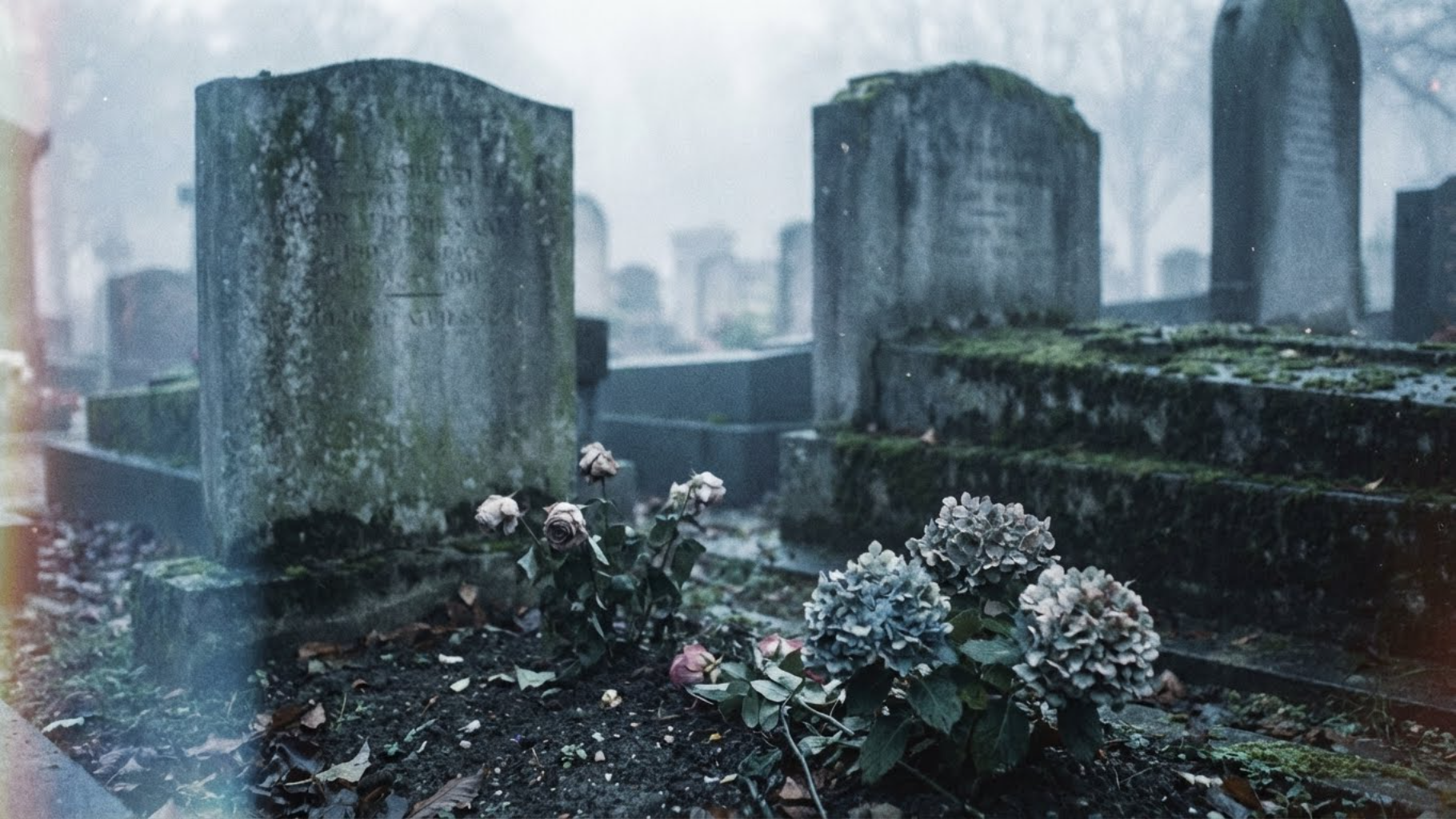
In the music, restraint became the primary tool.
Melodic elements were kept understated, often dissolving before they could fully assert themselves.
Harmony was treated as atmosphere rather than progression, and rhythm was allowed to exist as a pulse rather than a guide.
Silence, or near-silence, was treated as a compositional element.
These gaps were not pauses, but spaces where the listener could project something personal.
The same logic governed the video planning.
Cuts were considered in terms of breathing, not pacing.
Frames were designed to linger slightly longer than comfort would suggest, allowing uncertainty to settle.
Designing Bleu Across Sound and Image
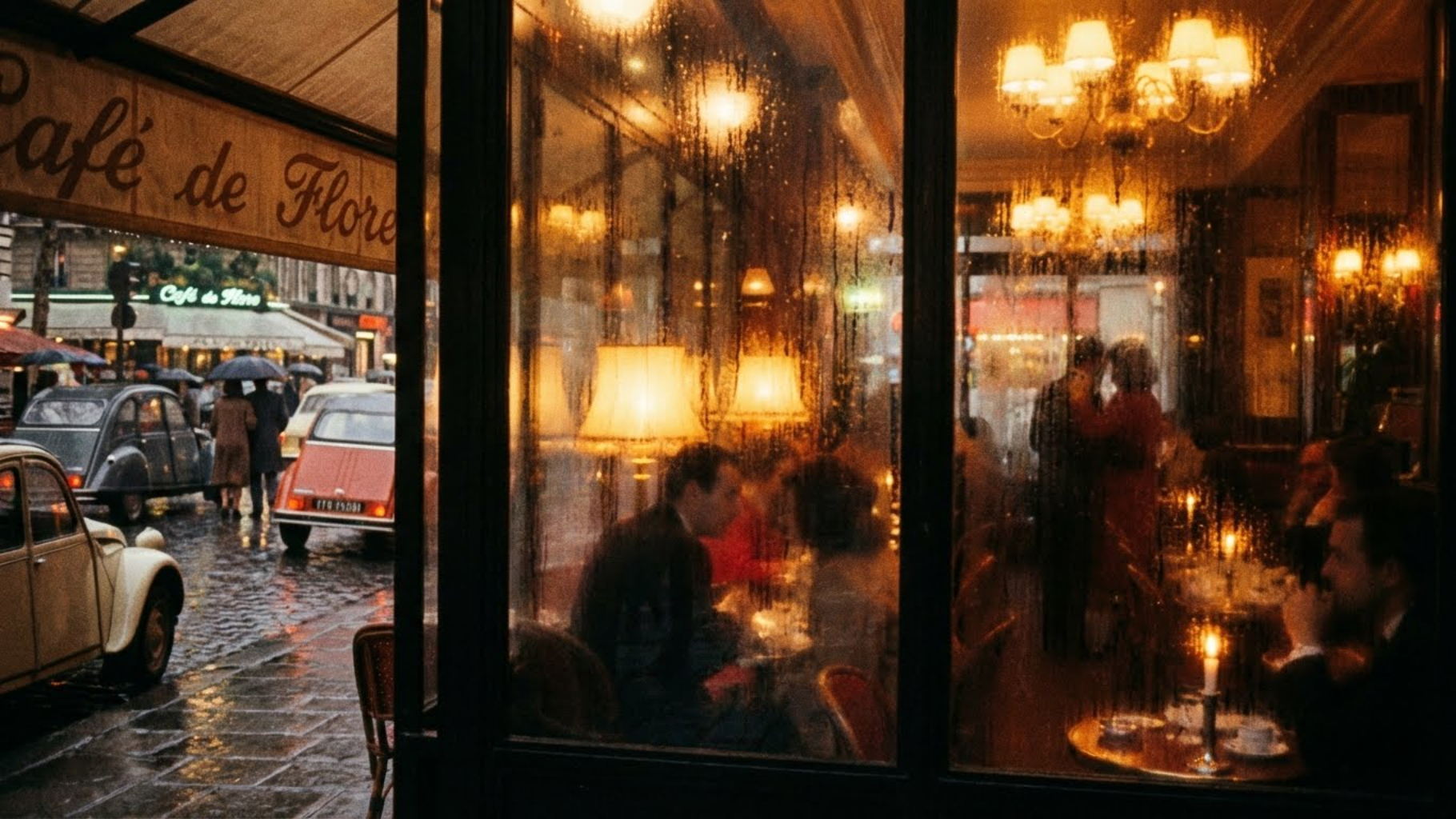
Visually, Bleu was approached as a condition rather than a palette.
It informed lighting decisions, texture density, and contrast more than literal color grading.
The image needed to feel slightly submerged—never sharp enough to fully claim reality.
Camera movement, when present, was restrained and observational.
The goal was not immersion through motion, but distance through stillness.
Just as the music avoids emotional declaration, the visuals avoid visual insistence.
Sound and image were aligned through shared restraint, not synchronization.
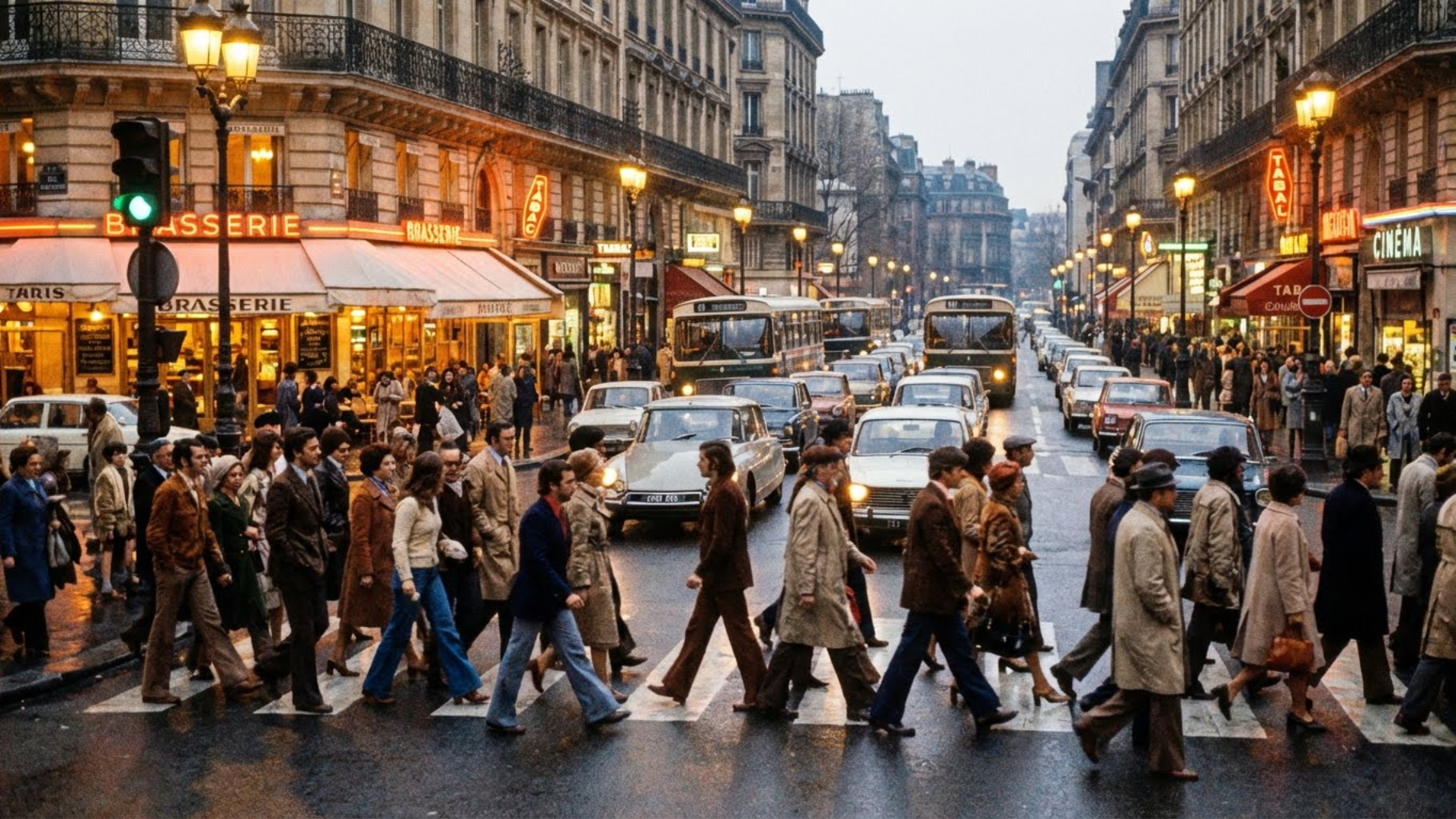
Memory Without a Subject
One of the core decisions was to avoid defining the subject of memory.
There is a sense of “someone,” but never a confirmed identity.
This ambiguity was protected throughout both the composition and the video design.
Any element that risked becoming too specific—lyrical, visual, or symbolic—was deliberately softened or removed.
The work needed to remain open enough to accept multiple interpretations without collapsing into abstraction.
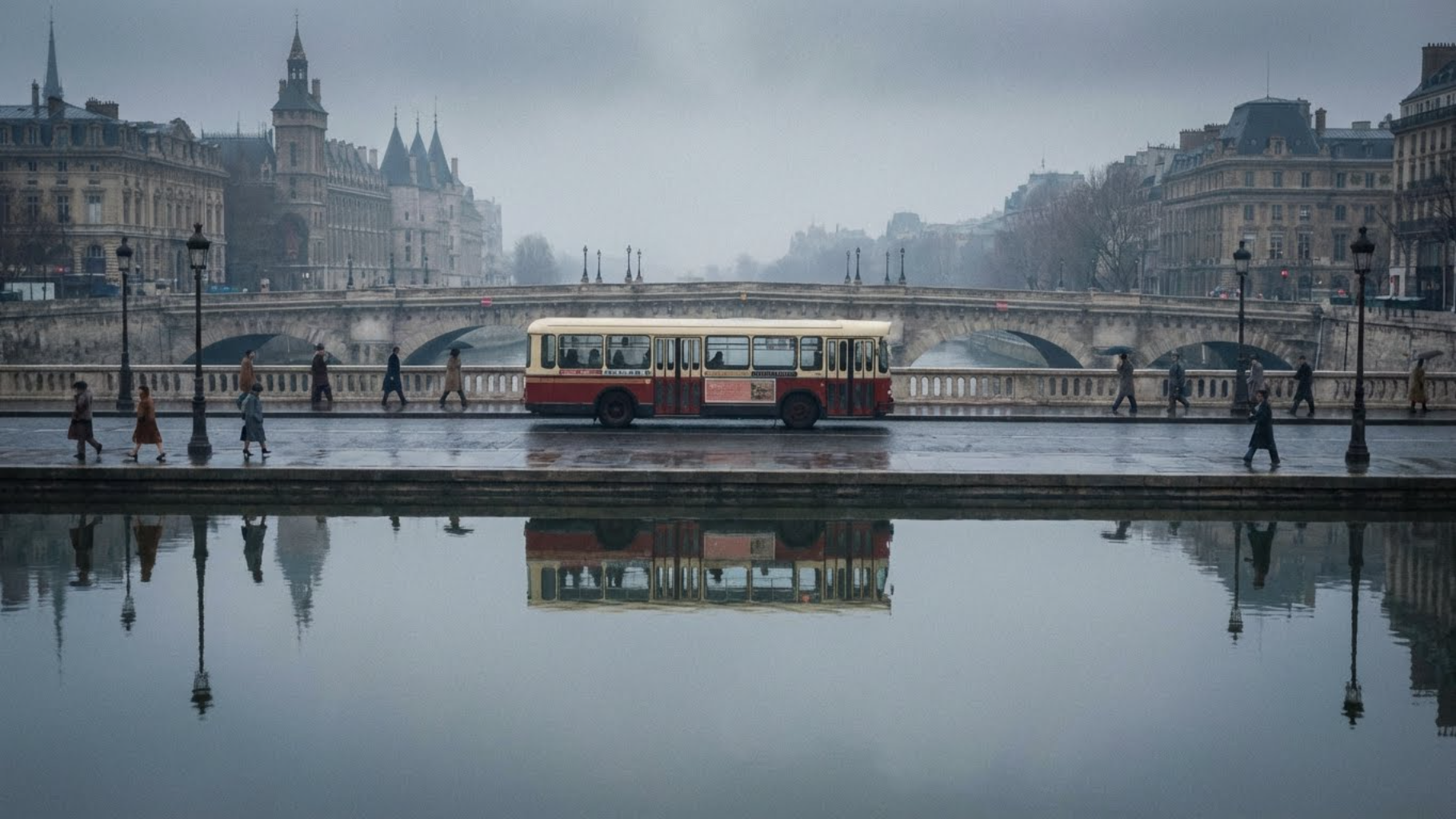
Leaving the Work Unresolved
Neither the music nor the video offers closure.
The ending does not resolve; it simply stops.
This was intentional.
Je Te Rêve en Bleu was designed to leave a residue rather than a conclusion—
a lingering tonal impression, like an afterimage that remains when you close your eyes.
The work does not attempt to explain emotion.
Instead, it constructs a space in which emotion can exist without justification.

A Shared State, Not a Message
Ultimately, Je Te Rêve en Bleu is less a statement than a condition.
A temporary alignment of sound, image, and memory.
Something to be entered, not understood.
The hope is not that the listener or viewer recognizes my memory,
but that the structure is quiet enough for their own to surface.