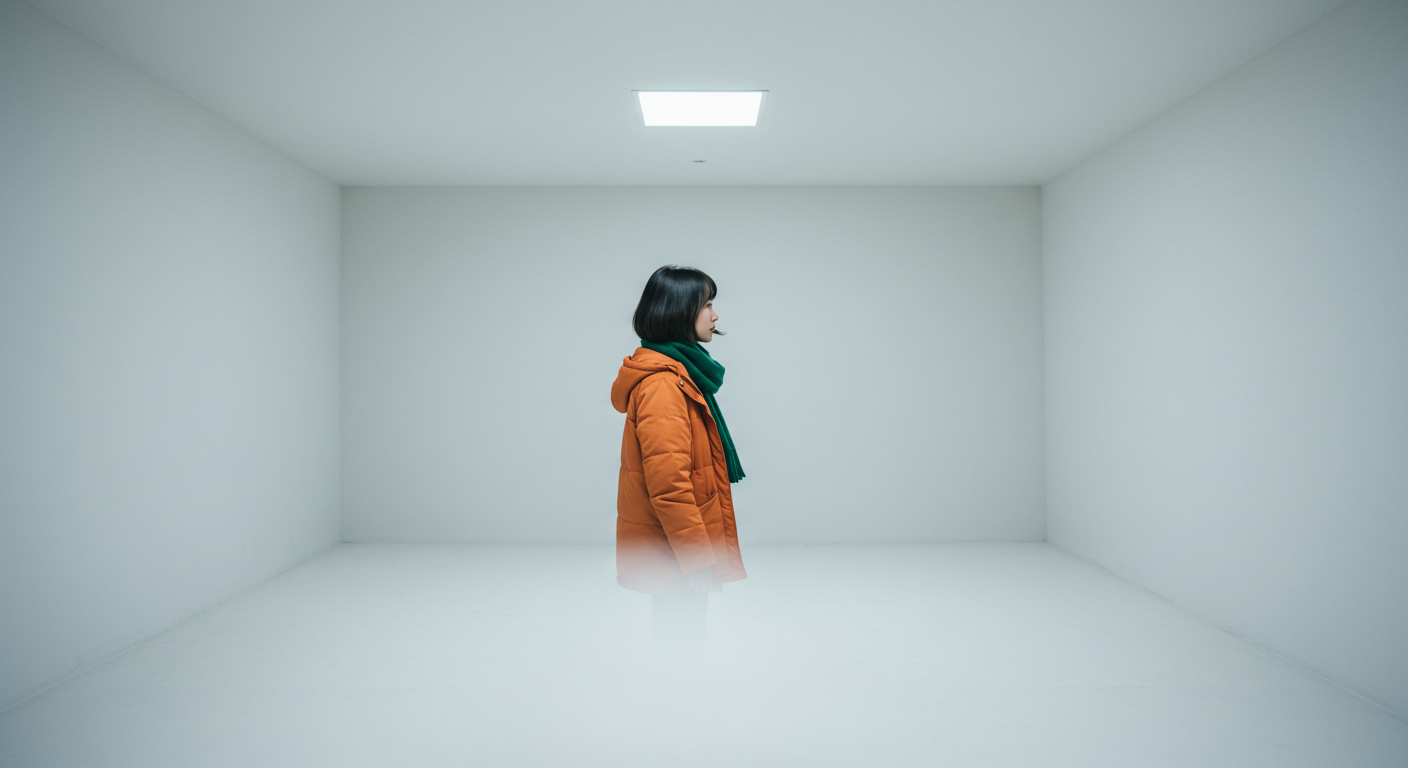
Soft Geometry
A motion narrative exploring fragmented emotions, shifting perspectives, and the quiet geometry of relationships unfolding over time.
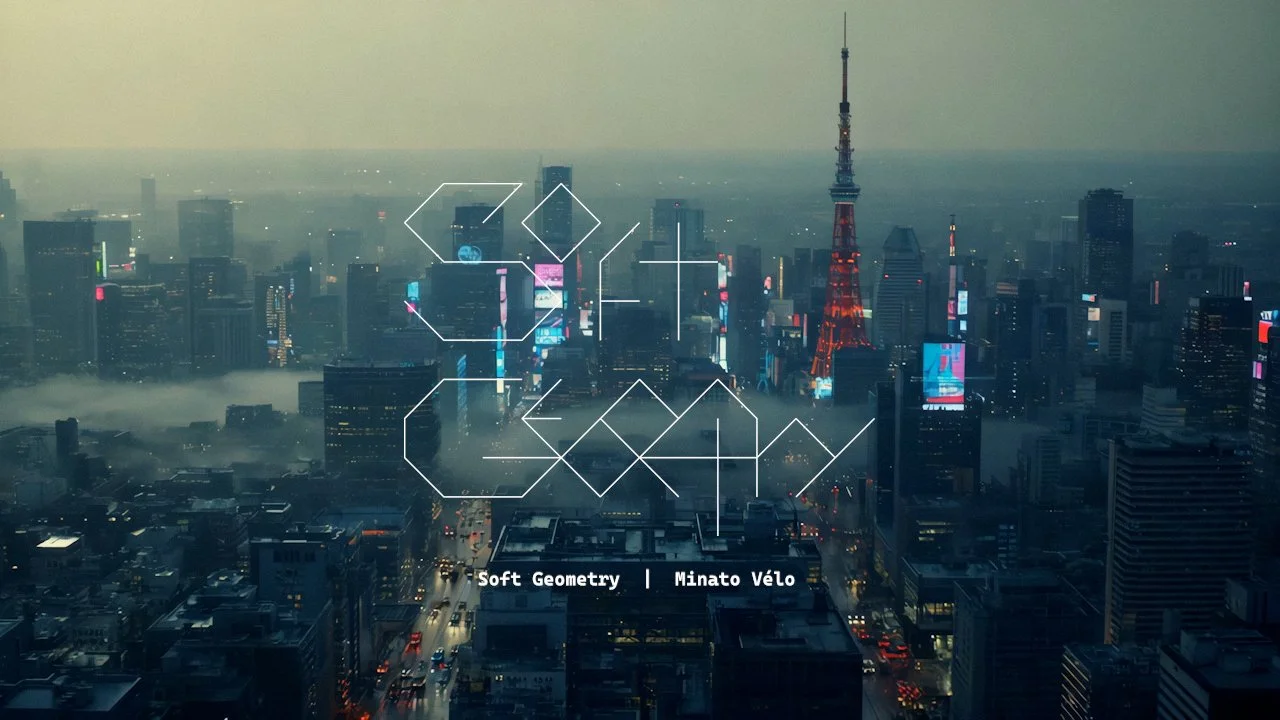
Soft Geometry is a motion-driven narrative that explores emotional distance, parallel movement, and the subtle structures that shape human relationships. Rather than following a linear storyline, the film unfolds through rhythm, spatial composition, and temporal shifts—allowing meaning to emerge through progression rather than explanation.
The work focuses on moments of hesitation, overlap, and quiet disconnection, using motion and framing to express what is often left unsaid. Visual continuity and pacing function as narrative devices, guiding the viewer through an evolving emotional landscape.
Created as part of the Motion Narratives series, Soft Geometry demonstrates how storytelling can be constructed through movement, timing, and atmosphere—where narrative is felt over time rather than delivered through dialogue or explicit plot.

Concept: Emotion Has a Shape
Soft Geometry does not explain emotion through dialogue or explicit narrative.
The project begins with a simple premise:
Emotion is not chaotic. It operates within an invisible structure.
Rather than treating feelings as spontaneous or irrational, the film frames them as something spatial—defined by distance, alignment, and timing.
“Geometry” here does not imply rigid calculation, but an unseen coordinate system in which emotions quietly move.
Distances that narrow but never close
Parallel movements that share direction but not pace
Rhythms that converge briefly, then separate again
The film asks not what happens, but what kind of structure holds these emotions in place.
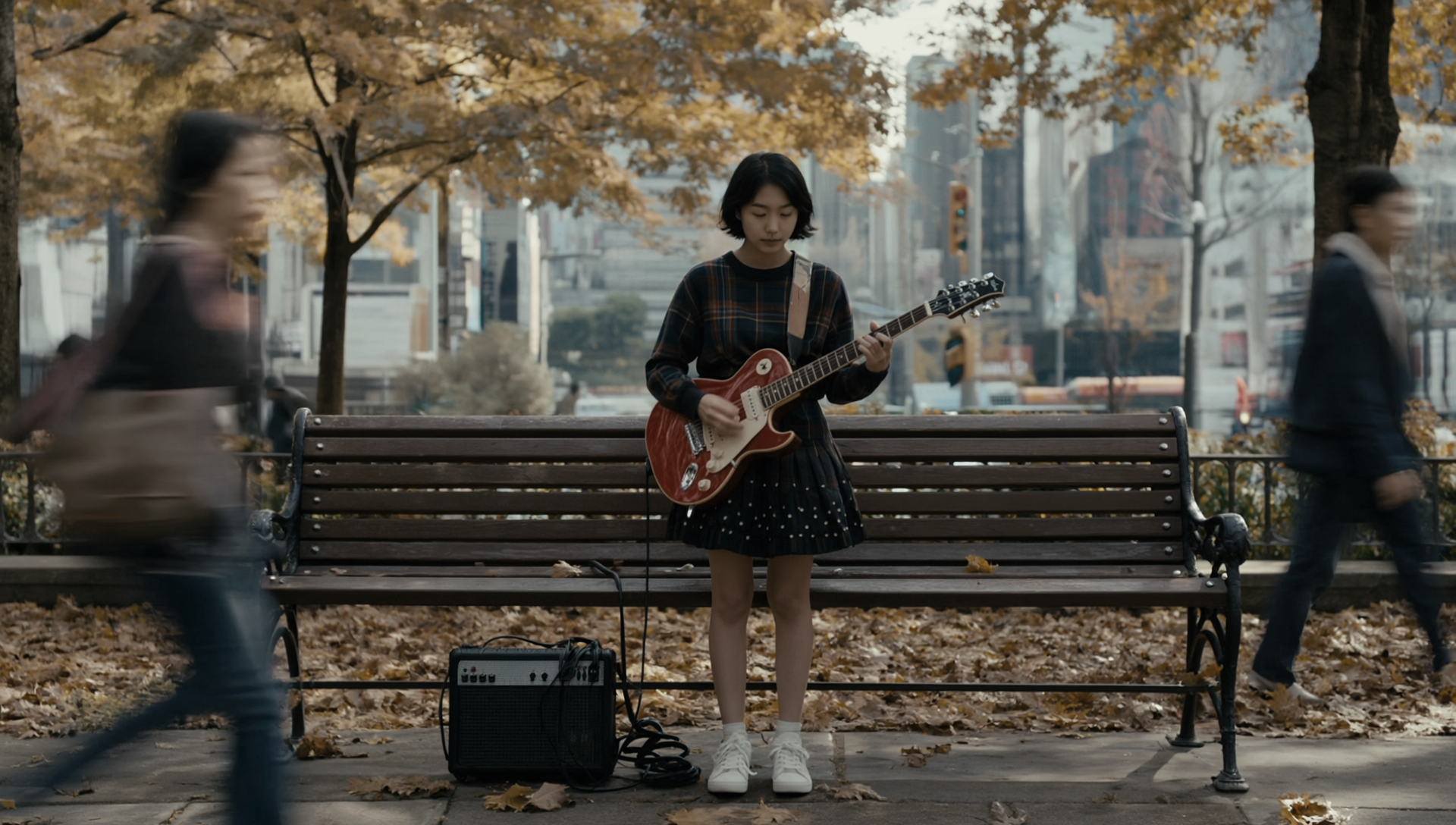
Storytelling: Narrative Without Events
The storytelling of Soft Geometry avoids conventional narrative progression.
There is no clear inciting incident, no conflict to resolve, and no climax to reach.
Instead, meaning emerges through:
Repetition of movement
Slight misalignment in timing
Emotional accumulation without release
This creates what can be described as structural emotion—a form of storytelling where feeling is shaped by duration and spatial relation rather than plot.
The viewer is not asked to understand the story, but to remain inside it.
Meaning is not delivered; it is sensed over time.

Minato
Role: Guitar / Composer / Band Leader
Background
Minato was born to Japanese parents and raised primarily in the UK. He grew up in a culturally engaged middle-class environment where art and music were encouraged, though not professionally pursued. This upbringing shaped his tendency to approach music intellectually rather than emotionally.
Education
Goldsmiths, University of London
Major: Music Composition / Sound Arts
Goldsmiths’ experimental and conceptual approach strongly influenced Minato’s structural thinking, positioning him as the band’s primary architect of form and direction.
Character Position
Minato serves as the band’s implicit center of gravity. Rather than leading through expression, he establishes frameworks—allowing emotion to emerge through structure, pacing, and spatial balance.

Jun Arakawa (荒川 潤)
Role: Bass
Background
Jun was born to a Japanese father and a British mother and raised in an urban UK environment. Early exposure to club culture, live venues, and contemporary popular music shaped his instinctive understanding of rhythm and groove.
Education
University of Westminster
Major: Popular Music Performance (Bass)
His education emphasized performance, timing, and ensemble dynamics, reinforcing his role as the band’s rhythmic anchor.
Character Position
Jun translates Minato’s abstract structures into physical momentum. He is the most sensorial member of the group, embodying fluctuation, tension, and emotional instability through low-frequency movement.

Sayaka
Role: Keyboards
Background
Sayaka comes from a Japanese family with a strong classical music background. She received formal piano and theory training from an early age, developing a disciplined and highly internalized relationship with sound.
Education
Royal College of Music (RCM), London
Major: Piano / Music Theory
Her classical foundation informs her sensitivity to harmony, texture, and restraint, allowing her to shape atmosphere rather than foreground melody.
Character Position
Sayaka functions as the band’s emotional buffer. Her role is not to assert presence, but to construct space—softening tension and enabling continuity between moments.

Takashi
Role: Drums
Background
Takashi was raised in a Japanese household rooted in technical and engineering professions. Structure, repetition, and reliability were emphasized throughout his upbringing, deeply influencing his relationship with time and rhythm.
Education
BIMM London
Major: Drums / Rhythm Section Studies
BIMM’s practice-oriented training reinforced his focus on precision, consistency, and ensemble cohesion.
Character Position
Takashi governs the band’s sense of time. He avoids expressive excess, instead providing an invisible framework that prevents collapse and maintains internal order.
Characters: Vectors, Not Personalities
The figures in Soft Geometry are not traditional characters with defined motivations or backstories.
They function instead as vectors—directional forces within a shared space.
They do not explain their emotions
They do not define their relationships
They do not resolve their tensions
What matters is:
Where they move
When they pause
How their paths intersect or diverge
Emotion arises not within the characters themselves, but in the distance between them.
The human presence becomes a way to reveal structure, rather than a vessel for expression.
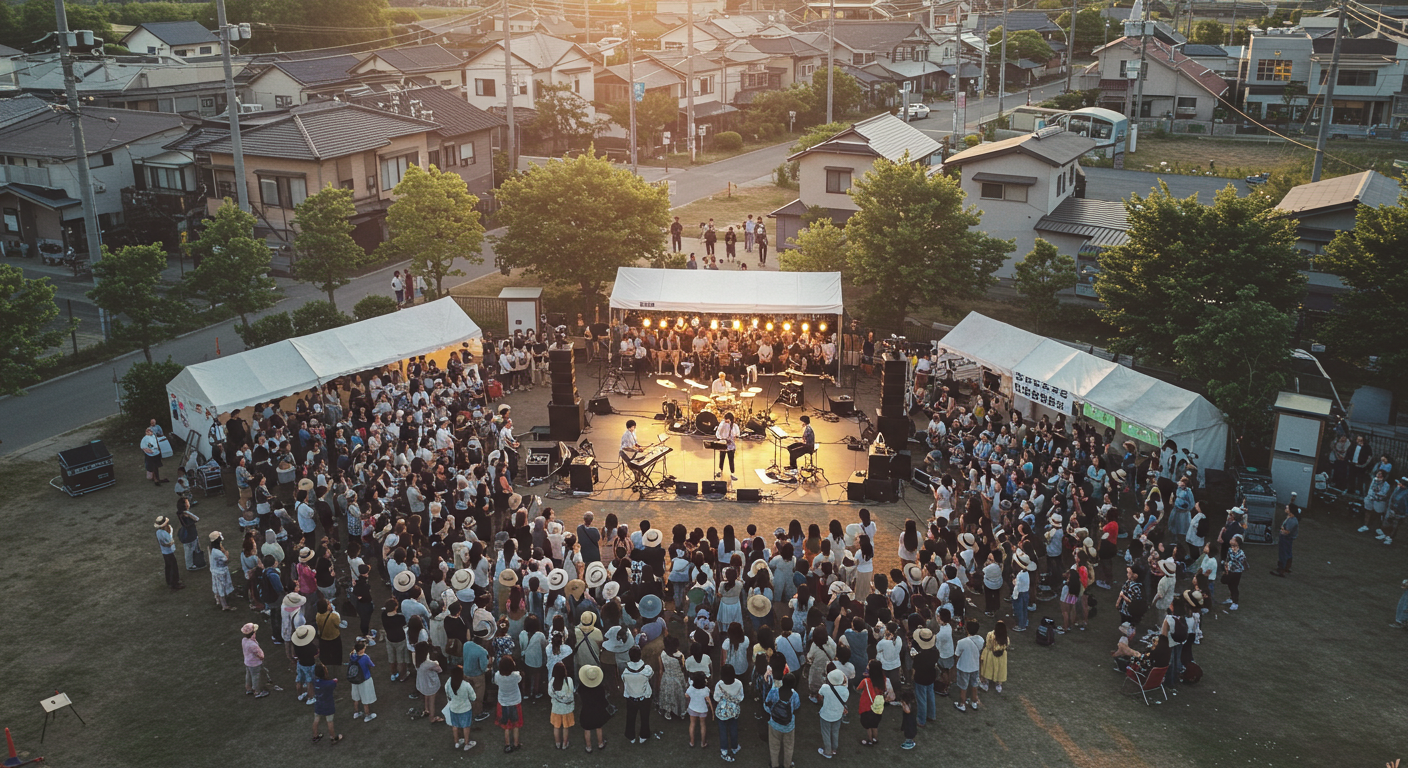
“In Japan’s music market, only about 3–7% of indie debut artists successfully transition to a major label debut.”
The Japanese Music Debut System: Structured Emotion as Industry
The conceptual logic of Soft Geometry closely mirrors the structure of the Japanese music industry, particularly its debut and artist development systems.
Unlike markets that prioritize spontaneous authenticity, Japan’s music industry has long treated emotion as something designed, staged, and managed.
Core Characteristics of the Japanese Debut System
Concept Precedes Expression
Artists are introduced through carefully designed identities before personal expression is foregrounded.Long-Term Development
Careers are shaped gradually, emphasizing consistency over immediate impact.Separation of Roles
Music, visual identity, narrative, and performance are often developed by different specialists.Emotional Distance
Restraint and suggestion are valued over overt emotional display.
Emotion is not eliminated—it is structured.
This industrial logic aligns closely with the film’s approach to distance, pacing, and controlled affect.
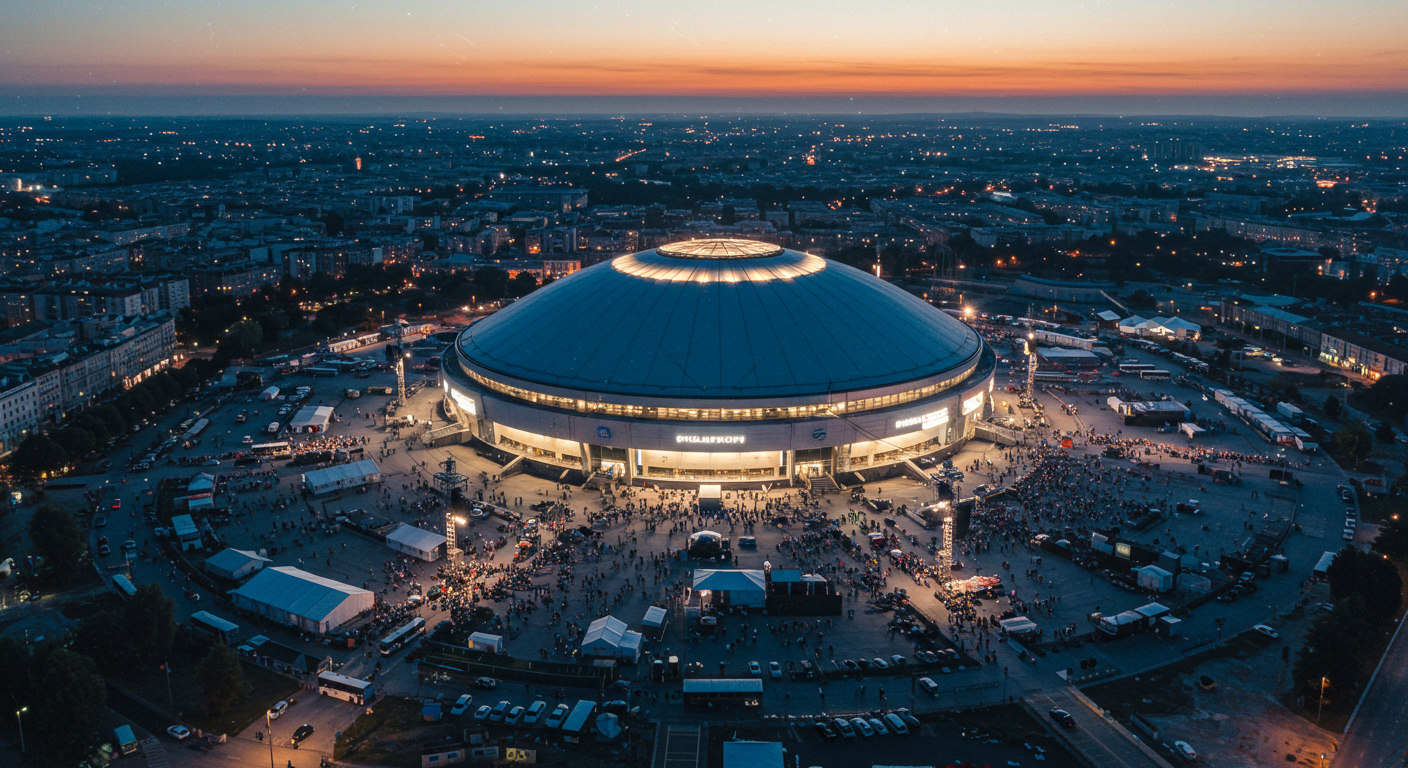
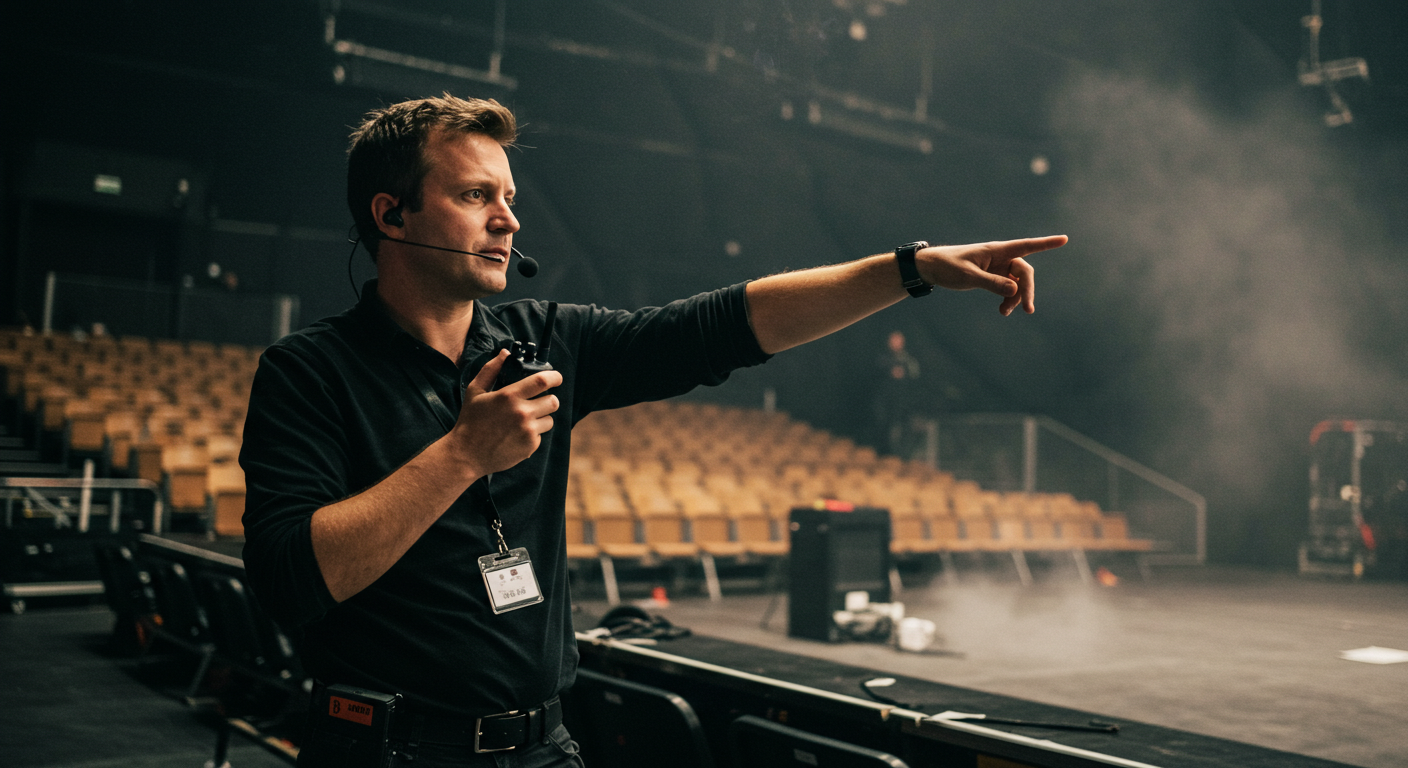
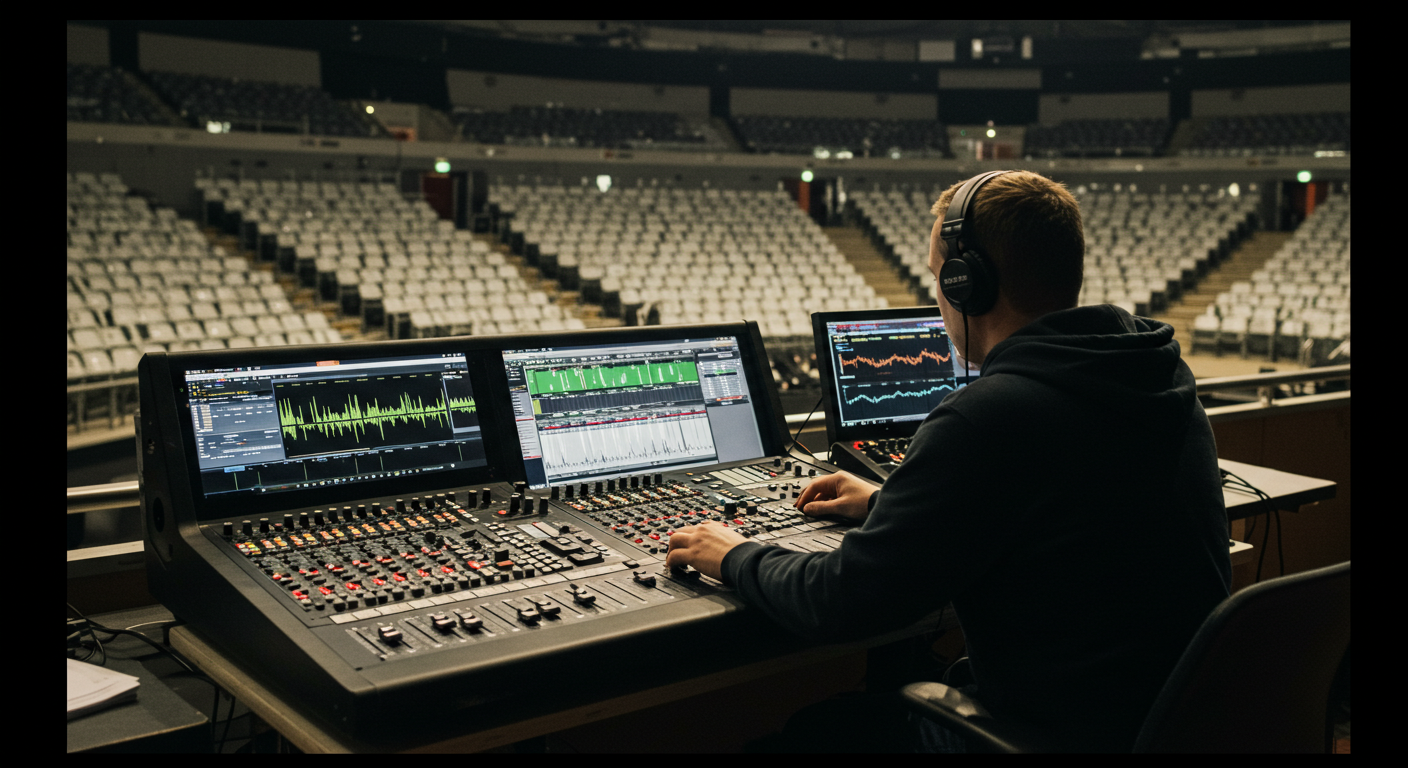
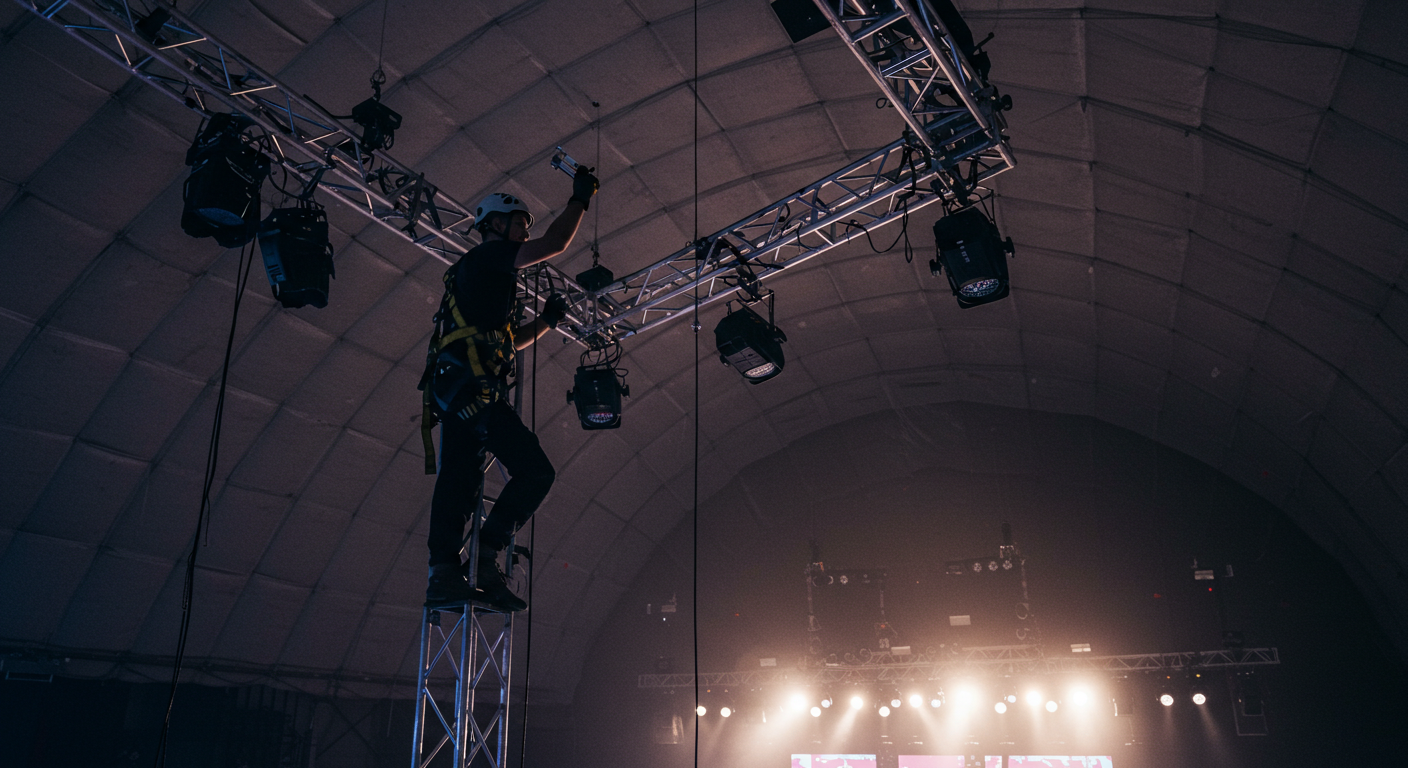
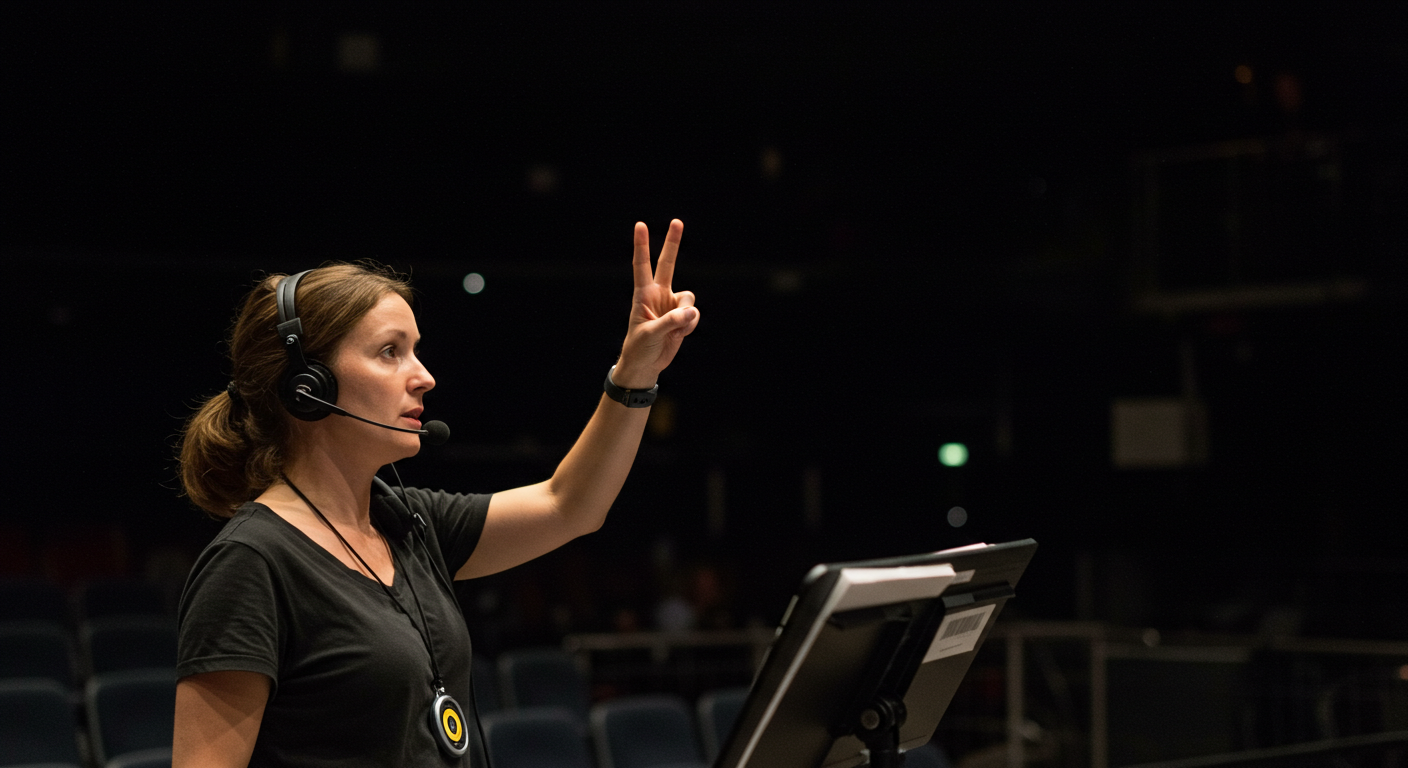
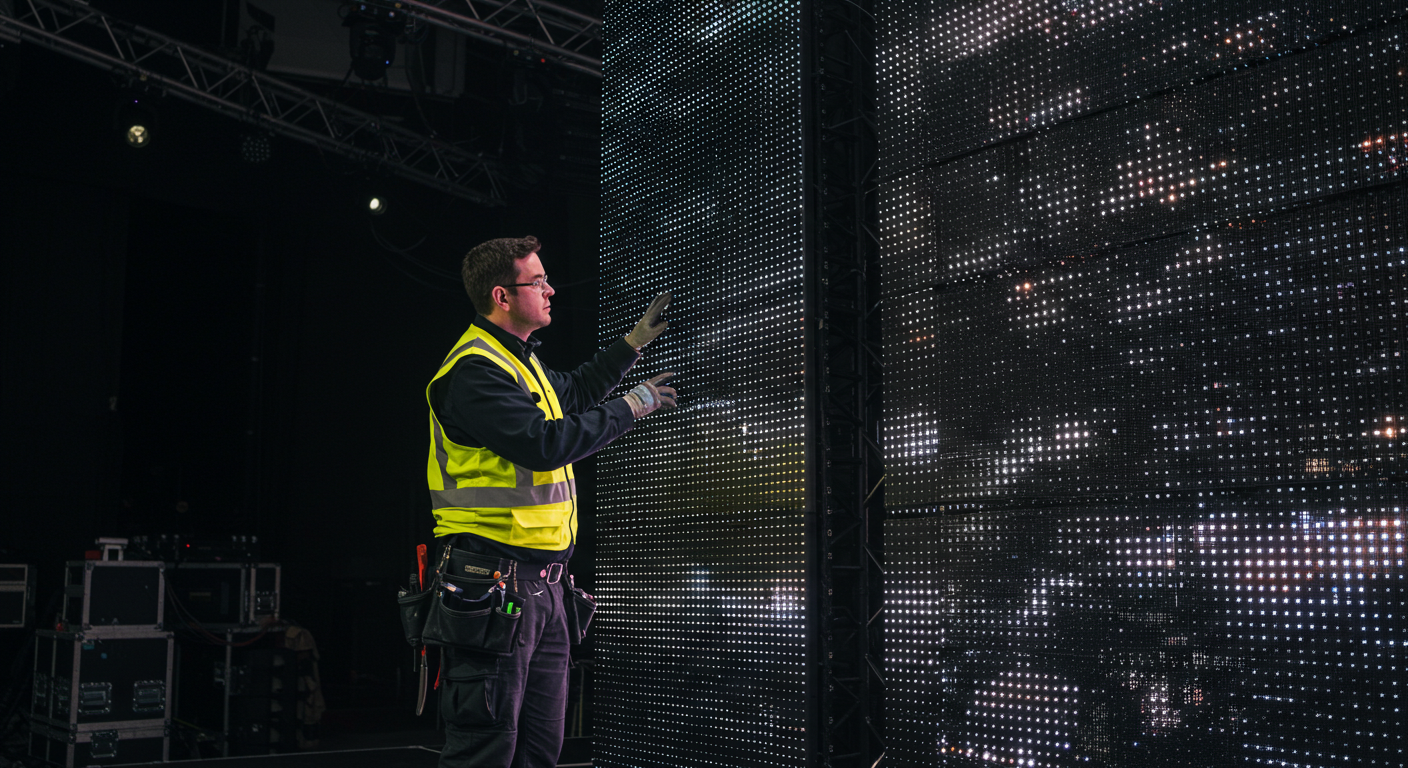
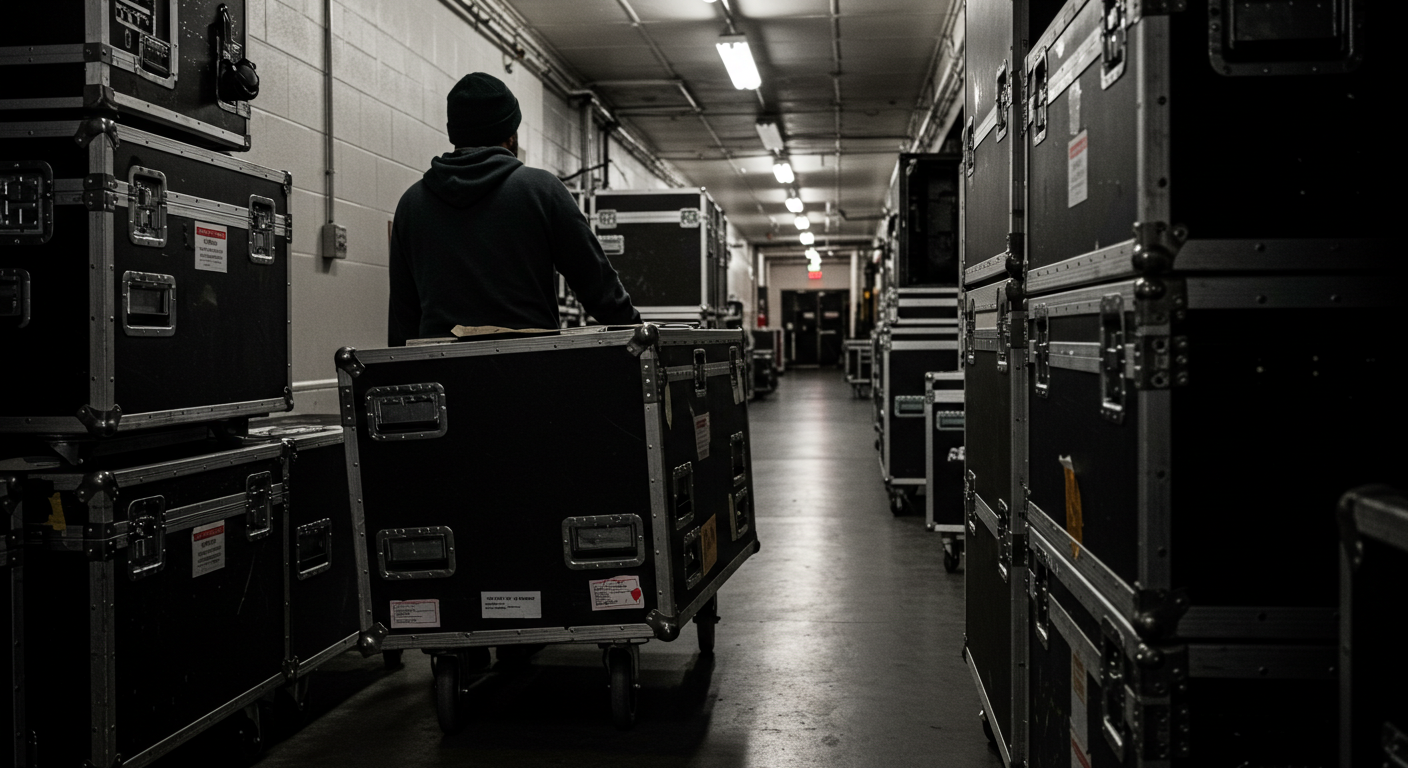
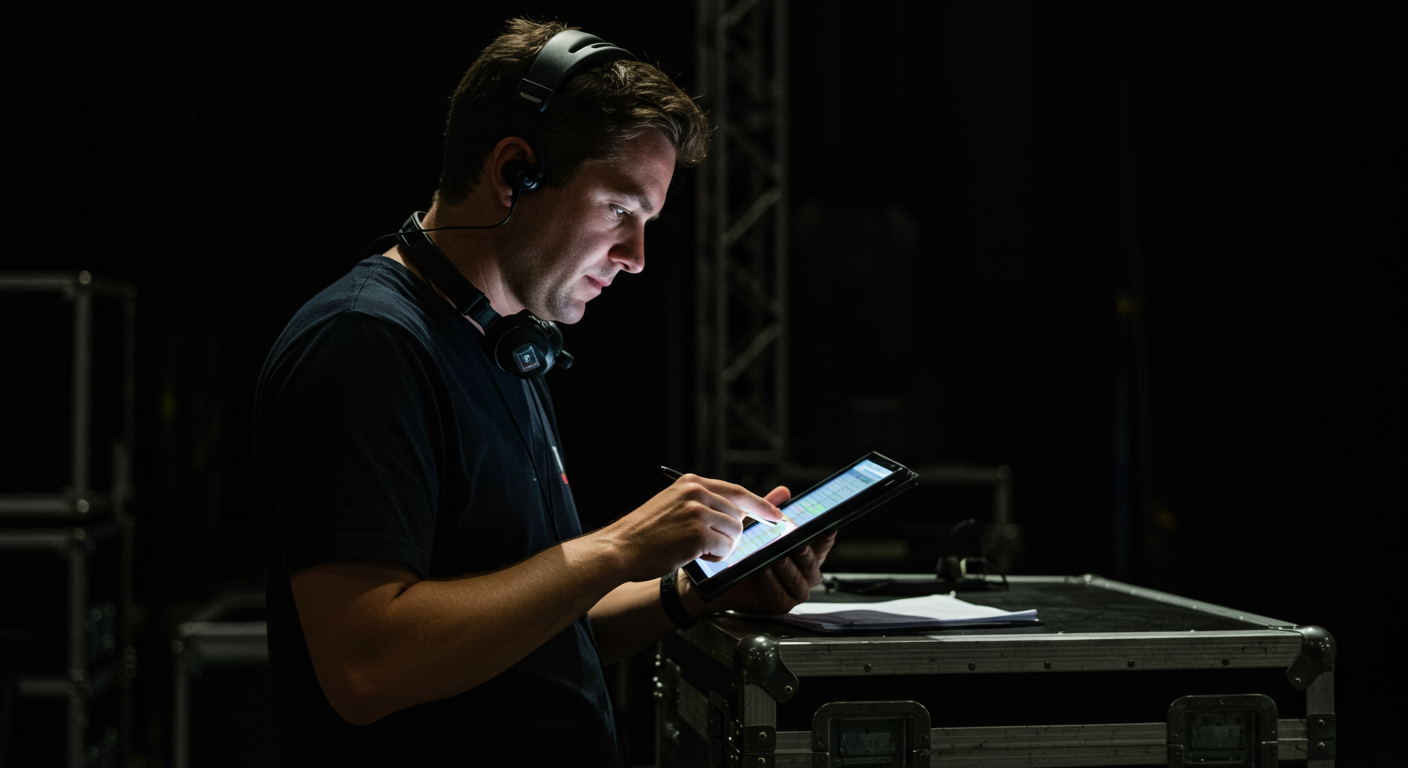
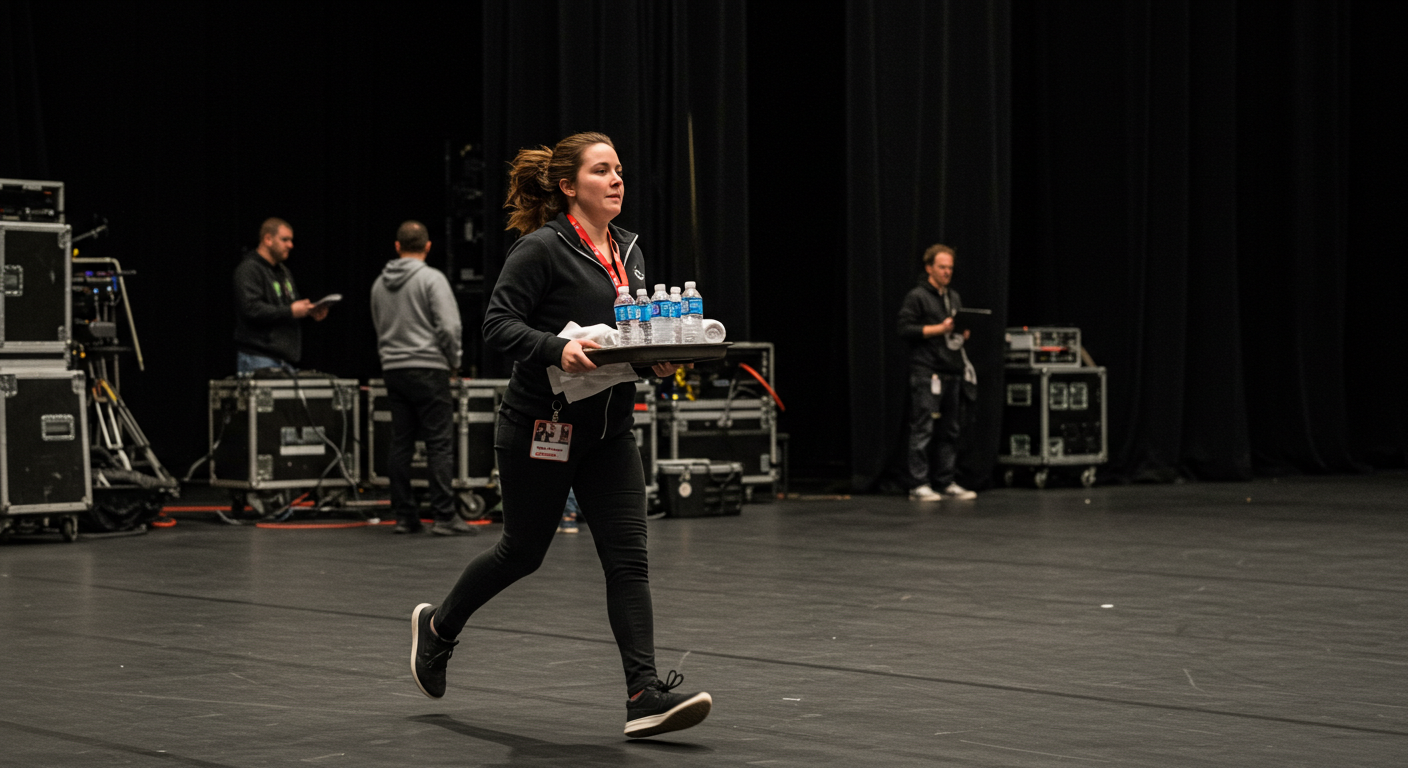
The dome concert unfolds through the precision, coordination, and quiet authority of the staff—revealing the performance before the performers appear.


Shibuya-kei Music: Emotion Built on Design
Shibuya-kei is often described as nostalgic or emotional, but at its core, it is a highly design-oriented genre.
Key Traits of Shibuya-kei Aesthetics
Complex emotions presented lightly
Historical references rearranged rather than revived
Personal feeling embedded within urban distance
Shibuya-kei rarely exposes raw emotion directly.
Instead, emotion is filtered through layers of design, irony, and compositional control.
Soft Geometry translates this sensibility into moving images:
Emotion exists without insistence
Relationships are implied, not defined
Music and visuals coexist without explanatory hierarchy
Sound and image do not reinforce each other.
They operate in parallel, within the same structural field.

Shibuya-kei is a music genre that emerged in the Shibuya district of Tokyo during the 1990s. It is characterized by its eclectic approach, blending a wide range of musical styles to create a distinctive and sophisticated sound. Drawing from jazz, bossa nova, electronic music, French pop, and lounge music, Shibuya-kei emphasizes refinement, stylistic hybridity, and a design-conscious sensibility rather than strict genre boundaries.
Why “Soft Geometry”
The title Soft Geometry appears contradictory by design.
Geometry suggests order, repetition, and structure
Soft suggests fragility, uncertainty, and emotional nuance
The work does not position emotion and structure as opposing forces.
Instead, it explores the space where they coexist.
The film is less a story than a study of how emotion persists within constraints—how feelings move, adapt, and remain unresolved inside carefully defined systems.

Leaving Space for the Unspoken
Soft Geometry does not demand interpretation.
It leaves behind a question:
How much of what we feel is truly spontaneous
And how much has already been shaped by invisible structures?
The film offers no conclusion.
It simply reveals a temporary coordinate system—one in which emotion can be observed without being explained.
From there, each viewer moves differently.